The World Health Organization’s Physical Activity fact sheet, Q2 2024, reports that 81% of adolescents aged 11-17 do not meet recommended levels of physical activity. For many families, that number sounds like a fitness problem. It’s actually a much bigger one.
When sport gets squeezed out by homework, screens, and exam pressure, children lose more than exercise. They lose one of the few places where they can fail safely, try again, lead a group, and follow a coach’s plan, all in the same hour. That’s why sport is important in school, and why it deserves more attention than “just PE.”
School sport is any structured physical activity students take part in during or around the school day, from PE lessons and swimming to football teams, athletics, and after-school clubs. Done regularly, it shapes students socially, emotionally, and personally in ways that are hard to replicate at a desk.
This article looks at how sport builds three qualities parents care about most: confidence, teamwork, and discipline, and what to do if your child isn’t naturally sporty.
Why Sports Is Important in School Beyond Physical Fitness
Sport matters in school because it gives students a real-time practice ground for skills that lessons can explain but rarely let them live through. A teacher can talk about resilience, but a missed penalty teaches it in seconds. A class can discuss cooperation, but a relay race makes it necessary.
The WHO notes that physical activity in children and adolescents supports cognitive development and mental health, not only bone and muscle growth. Those benefits connect directly to school life: students who move more tend to focus better, manage stress more easily, and feel more connected to their community.
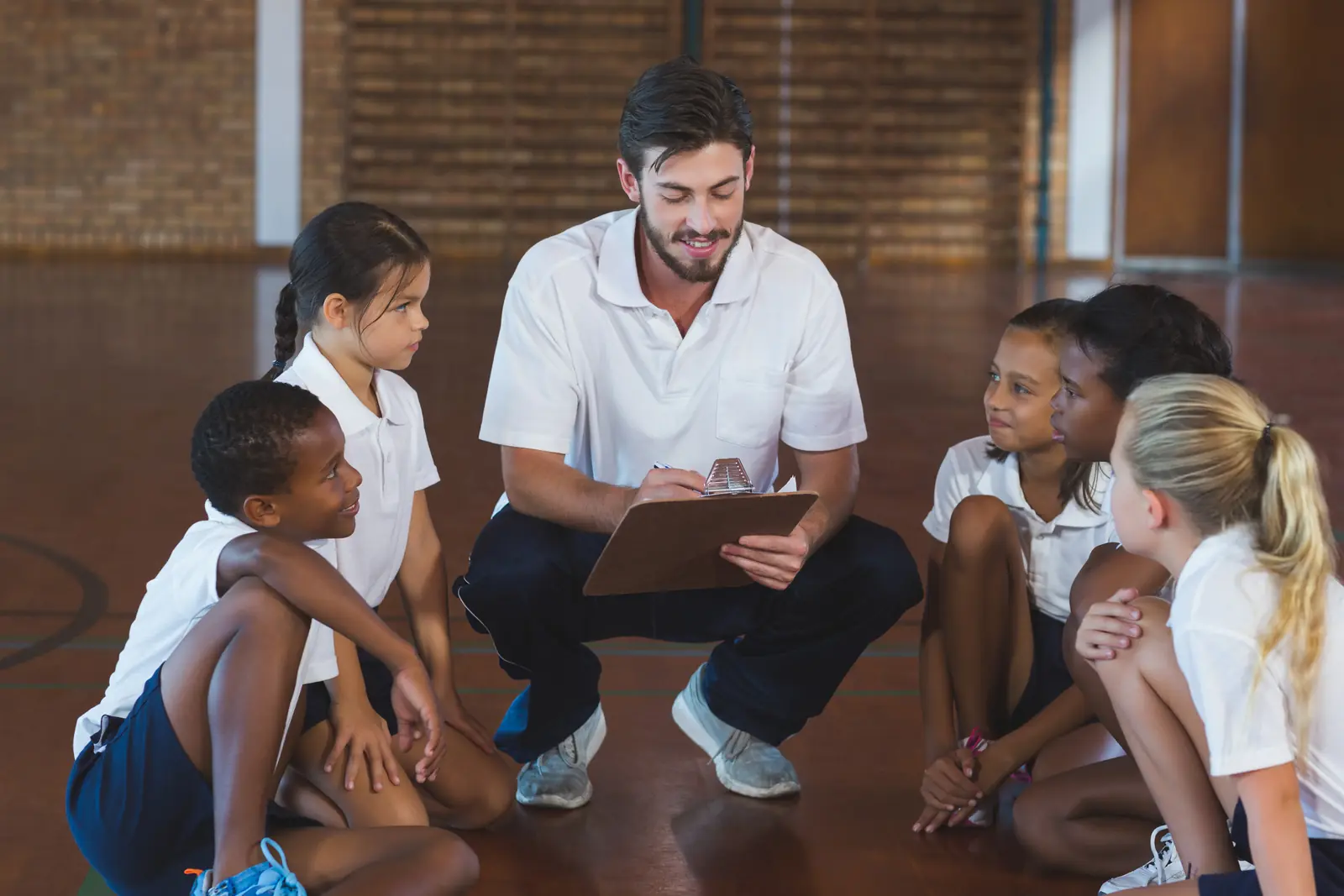
The importance of sports in school lies in the fact that it turns abstract values into everyday habits. Here’s how that looks in practice:
| Skill | How Sport Builds It | Where It Shows Up in Class |
|---|---|---|
| Confidence | Visible progress in times, scores, and techniques | Volunteering answers, trying harder problems |
| Teamwork | Shared goals and defined roles | Group projects and discussions |
| Discipline | Rules, training plans, and repetition | Homework routines and revision |
| Resilience | Losses and setbacks every season | Bouncing back after a poor test result |
| Belonging | Being part of a team or club | Feeling safe and involved at school |
That sense of belonging is easy to underestimate. For a shy student or a child new to the country, a team is often the first place where they feel they fit in.
How School Sports Build Confidence in Students
School sports build confidence by giving students regular, visible proof that effort leads to improvement. Unlike a grade that arrives weeks later, progress in sport is often immediate and easy to see.
Learning New Skills and Seeing Personal Progress
Mastering a new technique, knocking two seconds off a swim time, or finally understanding the rules of a new game creates a clear sense of achievement. Students see what they couldn’t do last month and what they can do now.
Progress matters even for students who will never be the strongest athlete in the class. Confidence comes from improving on your own starting point, not from beating everyone else. A child who learns to swim a full length has earned just as much self-belief as the one who wins the race.
Becoming More Comfortable With Challenges
Sport regularly asks students to try things that feel unfamiliar or slightly scary, whether it’s a new position, a difficult climb, or their first competition. Each attempt teaches them that discomfort is temporary and usually worth it.
Healthy risk-taking also changes how children see mistakes. In sport, a dropped catch is simply part of learning the skill. Students who absorb that lesson often become more willing to tackle challenging problems in maths or speak up in class.
Recovering From Losses and Setbacks
Missed shots, lost matches, and tough competitions teach students to keep going when things don’t go their way. Every season includes disappointment, and every season also includes the chance to come back stronger.
The key is keeping confidence separate from the scoreboard. When coaches and parents praise effort, attitude, and improvement, children learn that a loss is an event, not a verdict on who they are. That kind of resilience carries straight into exam results and friendships.
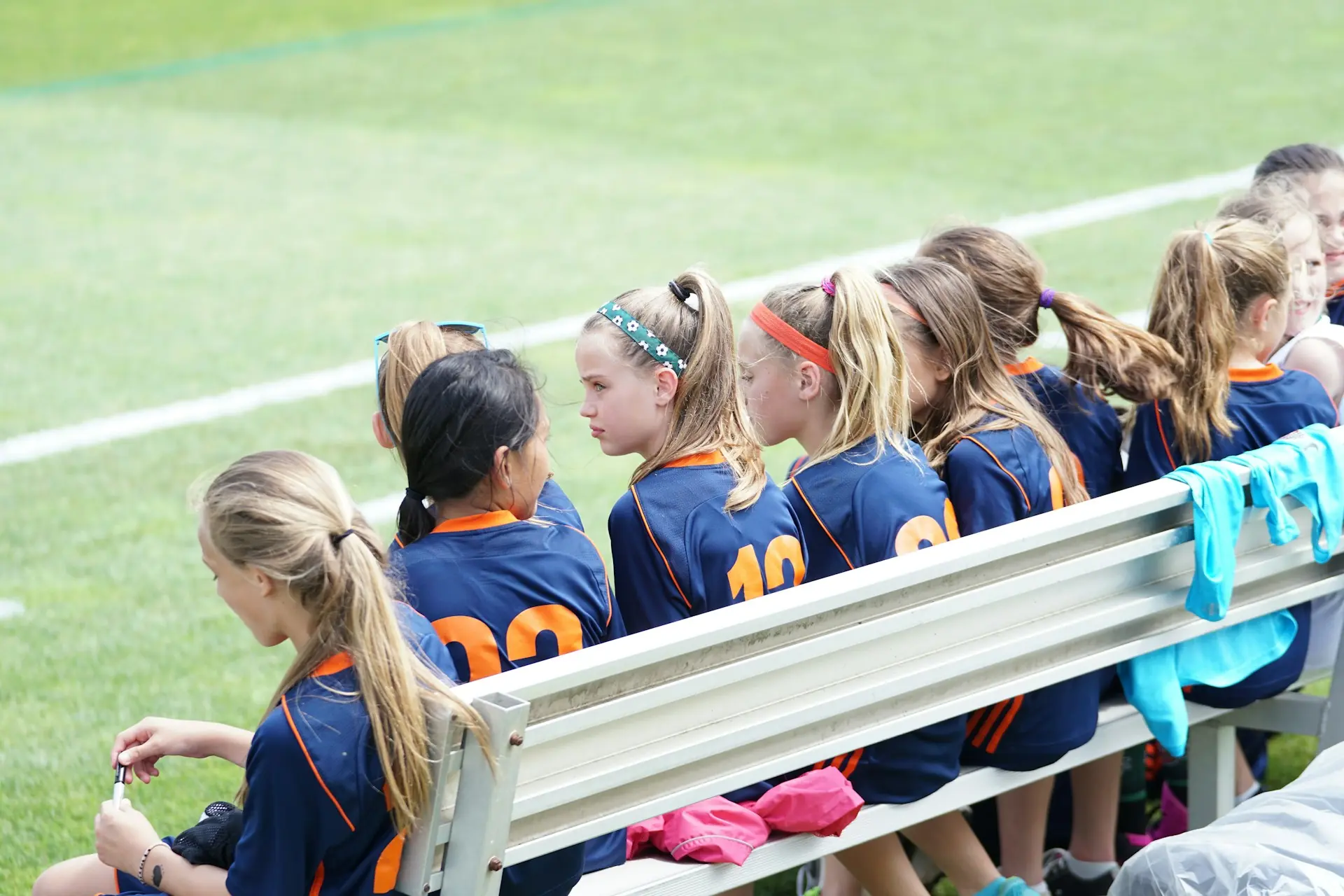
How Sports Teach Students to Work as a Team
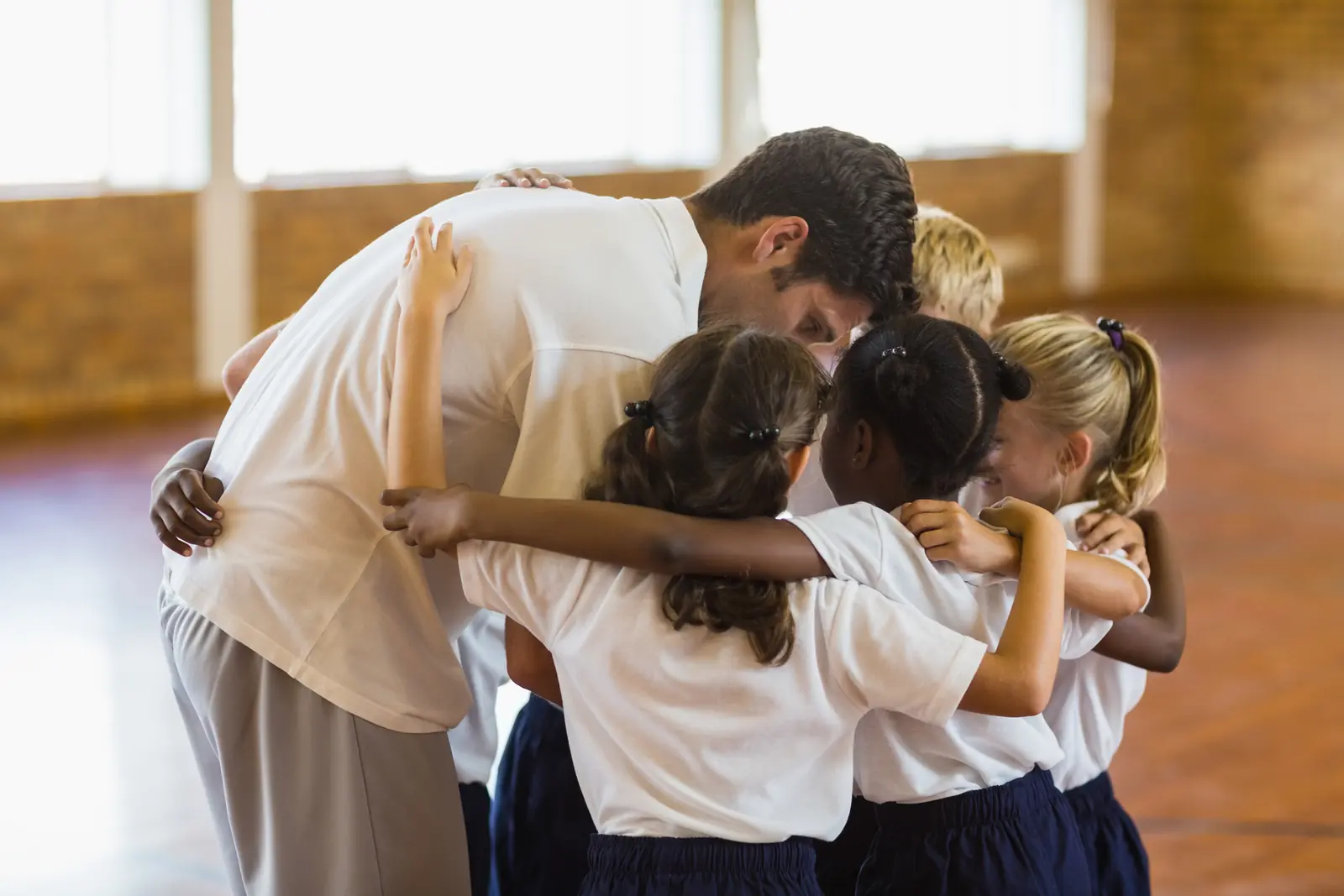
Sports teach teamwork by making cooperation necessary rather than optional: a team simply can’t succeed if players act alone. This is one of the clearest answers to why sports is important in school, because few classroom activities create that level of shared responsibility.
Understanding That Every Player Has a Role
Every team has different positions, strengths, and responsibilities. A goalkeeper, a defender, and a striker all contribute in different ways, and the team needs each of them.
Students learn that success rarely depends on one person. That lesson helps them value quieter contributions in group projects too, and it’s the same principle behind how strong student teamwork improves learning outcomes in the classroom.
Developing Communication and Cooperation
Good teams talk constantly, and students pick up practical communication habits along the way:
- Listening to teammates during play and in team talks
- Giving clear, short instructions when there’s no time for long explanations
- Making quick decisions together, such as changing tactics during a game
These are the same skills employers and universities later look for, and sport lets children practise them long before anyone calls them “soft skills.”
Learning Respect and Sportsmanship
Sport teaches students to respect teammates, opponents, coaches, and referees, even when they disagree with a decision. Shaking hands after a hard-fought match is a small ritual with a big message.
Handling results well is part of the same lesson. Winning graciously and losing without blaming others are skills many adults still work on. Children who practise them early tend to handle competition in every area of life more maturely.
How Playing Sports Develops Discipline
Playing sports develops discipline by linking rules, routine, and repetition to results students genuinely care about. The motivation comes from wanting to play well, which makes discipline feel less like a rule and more like a choice.
Following Rules and Instructions
Every sport operates within clear boundaries, from offside rules to lane markings. Students quickly learn that rules exist to make competition fair and keep everyone safe, not to spoil the fun.
Following a coach’s instructions, even when a student would rather do something else, builds the same self-control needed to follow classroom routines and exam conditions.
Practising Consistently to Improve
Sport shows students, very clearly, that improvement comes from repetition. Nobody masters a backhand or a free throw in one session.
Students who learn that progress takes weeks of steady practice are better prepared for the slow, consistent effort that academic success requires. That patience with the process is one of the most valuable lessons sport can teach.
Managing Time and Responsibilities
Training sessions, matches, lessons, and homework don’t organise themselves. Student athletes learn to plan their week, pack their kit, and finish assignments before practice.
Over time, these routines build personal responsibility. Parents can support this by helping children set up calm study routines that make school stress easier to manage, then gradually handing more of the planning over to them, in the same spirit as supporting independent learning at home.
What If a Child Is Not Naturally Sporty?
A child who isn’t naturally sporty still benefits from school sport, as long as the focus is on participation and personal progress rather than competition. School sport should never be reserved for the fastest or strongest students.
Rawafed’s school policies set out an inclusive approach in which every student should enjoy school life, from lessons to recreational and extracurricular activities. In PE, that means participation across different fitness levels, interests, and abilities, which gives less confident children room to find their place.
The right activity often depends on the child:
| If Your Child… | Activities That May Suit Them |
|---|---|
| Prefers working alone | Swimming, athletics, cycling, climbing |
| Enjoys being social | Team games, relay events, group fitness |
| Likes rhythm and creativity | Dance, gymnastics, movement-based activities |
| Feels anxious about competition | Skill-based sessions, non-competitive clubs |
There are also real risks to watch for. Constant comparison with stronger classmates can make a child quietly give up on movement altogether. Pushing too hard, or treating every game as a test, can turn something that should build confidence into a source of stress.
Practical Steps to Help a Reluctant Child Enjoy Sport
Parents can help a reluctant child find their way in with a few simple steps:
- Ask what they dislike, specifically. It may be the competition, a particular sport, or feeling watched, and each has a different solution.
- Let them try several activities. Encourage them to sample different sports activities in schools and clubs before deciding what they “aren’t good at.”
- Celebrate personal milestones. Praise the first full lap or the first time they joined in, not how they ranked.
- Talk to the PE teacher. Share your child’s worries so they can offer suitable roles, levels, or activities.
- Be active together at home. Family walks, swimming, or bike rides show that movement can simply be enjoyable.
Many children who say they “hate sport” actually hate one kind of sport. Inclusive PE is often where students discover the activity they genuinely enjoy.
What Lasting Value Does School Sport Give Students?
The real value of school sport has little to do with trophies: it lies in the confidence, teamwork, discipline, and resilience students carry into every other part of their lives. Regular participation teaches children to keep trying, work with others, and take responsibility for their own progress.
That’s ultimately why sports are important in school. A balanced education develops the whole child, and it works best when sport sits alongside strategies for academic success at school rather than competing with them.
Want to see where your child could find a sport they love?
Explore Rawafed’s facilities to discover the recreation spaces and more than 20 extracurricular activities that help students grow in confidence beyond the classroom.
Frequently Asked Questions
How much physical activity should my school-age child get each day?
WHO guidelines recommend that children and adolescents aged 5-17 get an average of at least 60 minutes of moderate-to-vigorous physical activity a day. This can be split into shorter sessions, including PE, active play, and walking.
Are team sports better for my child than individual sports?
Neither is better overall: team sports build cooperation and communication, while individual sports build self-reliance and focus. The best choice is the one your child enjoys enough to keep doing.
At what age should my child start competitive sports?
Most children are ready for simple organised games from around age 6, with more structured competition usually suiting them later in primary school. At every age, fun, skill development, and variety should come before winning.
How can I encourage my child who doesn’t enjoy sports?
Find out exactly what they dislike, then let them try different activities without pressure to perform. Praising effort and progress, and staying active together as a family, often changes their attitude over time.
Can school sports help my child make new friends?
Yes. Training together, sharing wins and losses, and working toward a common goal create natural bonds between students. For children new to a school, a team or club is often the fastest route to friendship.