What causes bullying in schools is rarely one thing: it usually grows from a mix of social pressure, emotional struggles, learned behaviour, and a school environment that lets it continue. The Health Behaviour in School-aged Children study, WHO Regional Office for Europe, Q1 2024, found that around 11% of adolescents have been bullied at school, while 6% admit to bullying others. Behind every one of those numbers is a family trying to make sense of what happened.
For parents, the hardest question often comes after the shock: why? Why would a classmate target their child, or why would their own child hurt someone else? Without an answer, it’s difficult to know what to do next.
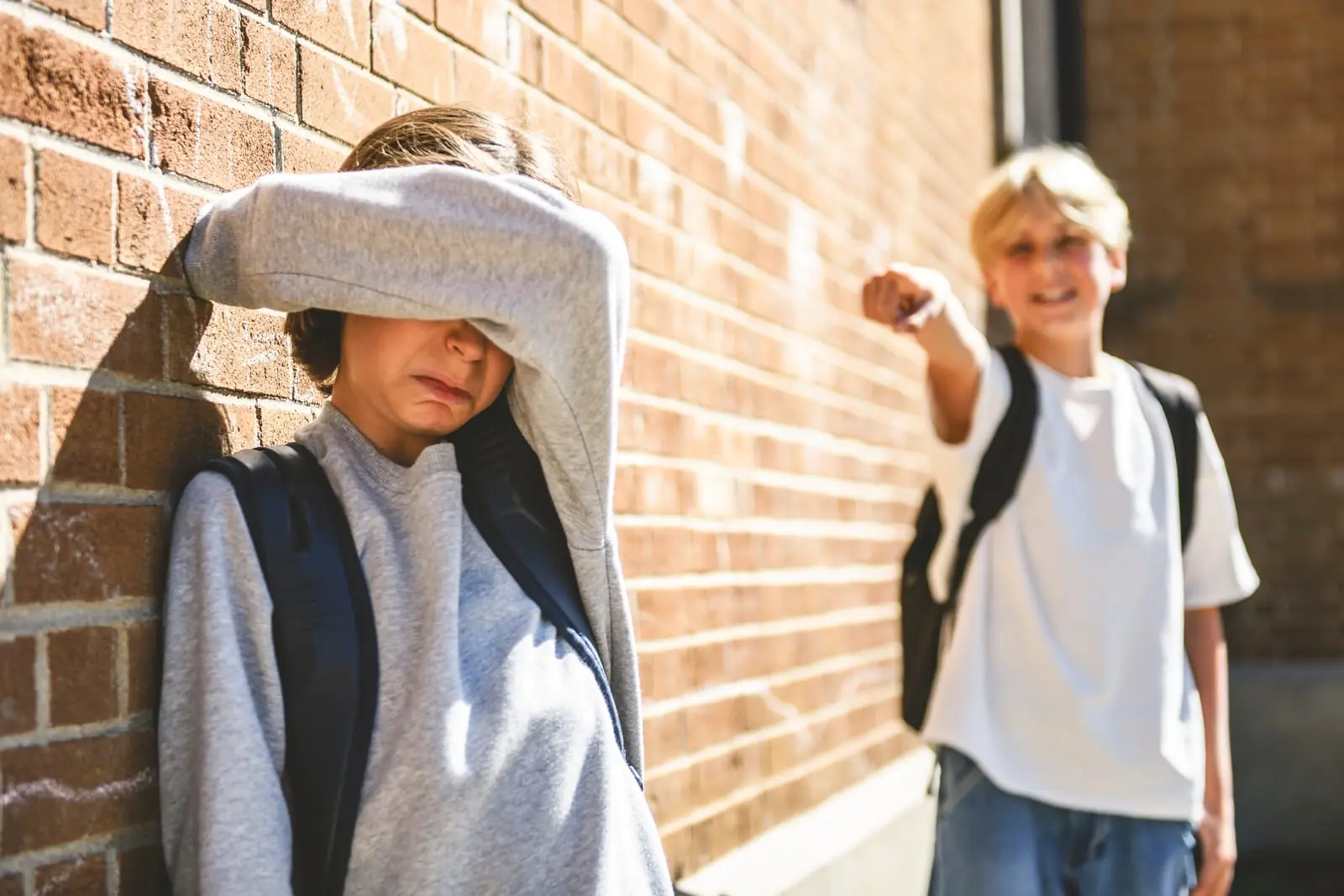
Bullying is a repeated pattern of harmful behaviour in which one or more students use a real or perceived power imbalance to hurt, intimidate, or exclude another student. A one-off argument between equals is conflict. Spreading rumours about the same classmate every week, or regularly shutting them out of a group, is bullying.
Understanding what causes bullying in schools means looking beyond the behaviour itself to the social, emotional, family, peer, and school factors behind it. No single factor explains every case, and the causes of bullying often overlap. This guide breaks down seven of the most common ones and what schools and families can do about each.
What Causes Bullying in Schools and Why Do Students Bully for Different Reasons?
Students bully for different reasons because bullying is a behaviour, not a personality type, and different needs can drive the same behaviour. One student may want status, another may be copying what they see at home, and a third may simply not know how to handle frustration. That’s why asking what causes bullying in schools gives a more useful answer than asking who bullies.
Most causes fall into three groups of influence:
| Type of Influence | What It Includes | Factors in This Guide |
|---|---|---|
| Personal | Emotions, self-image, and social-emotional skills | Insecurity, difficulty managing anger, limited empathy |
| Social | Peer groups, popularity, and group approval | Desire for status, peer pressure and group dynamics |
| Environmental | Home, media, online spaces, and school climate | Learned behaviour, a school climate that allows bullying |
Understanding why a student bullies is not the same as excusing it; it is the first step toward making it stop. Schools that know the cause can respond to it, instead of only reacting to the latest incident.
1. A Desire for Social Status or Control
Some students use bullying to gain influence, popularity, or dominance within their peer group. Research on school social networks has repeatedly found that some students who bully are seen by classmates as popular, which shows why the behaviour can feel “worth it” to them.
Status-driven bullying often looks quiet rather than physical. It includes deciding who sits where, starting rumours, excluding certain classmates from chats or games, and using subtle intimidation to keep others in line. Periods of change, such as moving into a new school stage, can intensify this competition for position, which is one reason why Rawafed makes the transition to middle school smoother for social as well as academic confidence.
2. Insecurity and Fear of Rejection
Insecurity can push some students to hurt others before they risk being hurt or embarrassed themselves. A student who fears losing friends or status may put someone else down to feel safer in the group.
That said, low self-esteem is not a universal cause of bullying. Plenty of students who bully feel quite confident. Insecurity tends to matter most when it combines with peer pressure, for example, when a student worries that refusing to join in will make them the next target.
3. Difficulty Managing Anger and Emotions
Students who struggle to regulate emotions are more likely to react aggressively when they feel frustrated, embarrassed, or provoked. Low frustration tolerance and weak conflict-management skills make it harder to pause before reacting.
One aggressive outburst is not bullying. The problem starts when those reactions repeat and begin targeting the same, less powerful classmate, because the student learns that aggression gets results. Stress at home or school can make regulation even harder, so calm routines that help students manage school stress can support emotional control too.
4. Peer Pressure and Group Dynamics
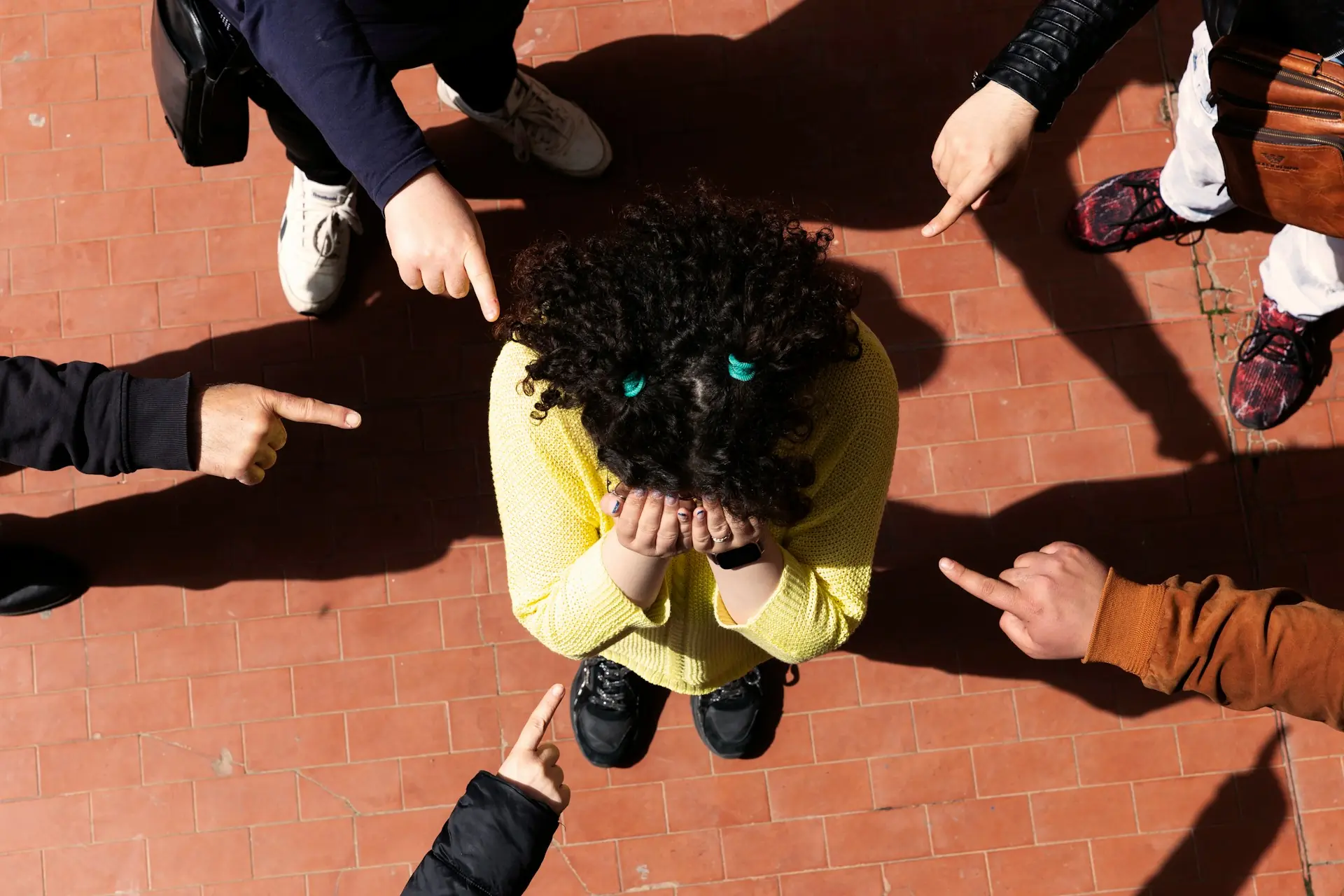
Many students join bullying not because they dislike the target, but because they want to be accepted or avoid becoming a target themselves. Bullying is often a group activity, with students taking on different roles:
- Initiators start the bullying and usually direct it.
- Followers join in or laugh along, which adds to the harm.
- Bystanders watch without acting, often out of fear or uncertainty.
- Defenders support the target or report what is happening.
Group approval is one of the strongest forces that keeps bullying going. Every laugh or silent audience tells the initiator the behaviour is working, while even one defender can change the tone of the group.
5. Learned Behaviour From the Surrounding Environment
Students often imitate aggressive or disrespectful behaviour they see regularly, whether at home, among older peers, in the media, or online. If shouting, mocking, or threatening is a normal way to settle disagreements around a child, it can start to feel acceptable.
Online spaces deserve special attention. The same WHO study found that cyberbullying has increased since 2018, and harmful comments online can spill into the classroom the next day.
Still, exposure does not automatically lead to bullying. Many children grow up around conflict and choose kindness, especially when trusted adults model a different way to handle it.
6. Limited Empathy and Social-Emotional Skills
Weak perspective-taking makes it easier for a student to ignore the pain their actions cause. If a child doesn’t stop to imagine how a joke lands, “just teasing” can quickly become cruelty.
Empathy doesn’t work alone. Communication, problem-solving, and respect for boundaries all help students disagree without hurting each other. Activities built on how strong student teamwork improves learning outcomes give students regular practice in listening and cooperating with classmates who are different from them.
7. A School Climate That Allows Bullying to Continue
Bullying persists when rules are unclear, responses are inconsistent, supervision is weak, or students don’t trust the reporting system. In that kind of climate, students quickly learn which behaviour gets noticed and which doesn’t.
Certain areas carry higher risk because adults are less present:
- Corridors and stairwells between lessons
- Playgrounds and break areas
- School transport
- Changing rooms
- Group chats and other online spaces
This is where the cause and effect of bullying becomes clear: when harmful behaviour goes unchallenged, the lack of response itself becomes a cause of more bullying.
How Can Schools Address the Causes of Bullying?
Schools address the causes of bullying by combining clear rules, closer supervision, social-emotional learning, and steady communication with families. These steps work best together:
- Set clear behavioural expectations. Explain what bullying is, give examples, and make sure every student knows how to report it safely and privately.
- Improve supervision in higher-risk areas. Place adults in corridors, playgrounds, transport, and changing areas at the times bullying most often happens.
- Teach social-emotional and conflict-resolution skills. Build lessons on empathy, managing anger, and resolving disagreements into regular class time.
- Keep teachers, students, and families talking. Share concerns early and treat parents as partners, the same kind of honest communication with teachers that supports academic success.
- Pair accountability with support. Give clear consequences while also working on the reason behind the behaviour, whether that’s insecurity, anger, or peer pressure.
Why Punishment Alone May Not Stop Bullying
Punishment alone often fails because it stops one incident without changing the reason it happened. Consequences are necessary, since students need to know bullying is taken seriously. But a student who bullies to gain status or release anger will usually find another way to do it if nothing else changes.
| Approach | What It Changes | What It Misses |
|---|---|---|
| Punishment only | Stops the incident in the short term | The emotions, peer approval, or skills gap behind it |
| Consequences plus support | Stops the incident and works on the cause | Takes more time and closer cooperation with families |
Lasting change comes from combining consequences with emotional skill-building, behavioural support, and shifts in peer-group dynamics. For example, a student removed from a group for excluding a classmate may also need coaching on handling jealousy, while the wider group learns to stop rewarding the behaviour.
What Should Parents Keep in Mind When Looking at the Causes of Bullying?
Parents should treat the causes of bullying as a guide for action, not as a label or an excuse. A few common mistakes can make a hard situation harder:
- Blaming home by default. Family life can play a role, but many causes of bullying in school come from peer groups and school climate.
- Labelling a child as “a bully.” Describing the behaviour rather than the child makes change feel possible.
- Assuming roles are fixed. Some students are bullied and bully others at the same time, and both sides need support.
- Waiting for proof before speaking up. Share concerns with the school early, even if the full picture isn’t clear yet.
Knowing what causes bullying in schools also helps parents spot warning signs sooner. If a child seems unsafe, withdrawn, or talks about hurting themselves, contact the school and a health professional straight away.
What Matters Most When Understanding What Causes Bullying in Schools?
Bullying is most likely to stop when adults respond to both the behaviour and the reasons behind it. Knowing what causes bullying in schools allows families and teachers to act on status-seeking, emotional struggles, peer pressure, and school climate, not just on individual incidents.
Prevention works best when schools combine clear boundaries, consistent intervention, and strong relationships between students and adults. When children feel seen, supported, and accountable, harmful behaviour has far less room to grow.
Want your child to learn in a school where kindness and respect come first?
Contact Rawafed Private School to book a visit and see how students are supported to build confident, respectful relationships from pre-kindergarten to Grade 12.
Frequently Asked Questions
Is my child’s bullying always caused by problems at home?
No. Home life can play a role, but bullying often comes from peer pressure, a wish for status, emotional struggles, or a school climate that lets it continue. Looking at all these areas gives a more accurate picture.
Can my child be both bullied and bully other students?
Yes. Some students who are bullied go on to target others, sometimes to regain a sense of control or to avoid being seen as weak. These students often need extra support because they are dealing with both sides of the problem.
Why would my child join in bullying if they don’t dislike the target?
Many students join in to fit in with a group or to avoid becoming the next target. Laughing along or sharing a message can feel harmless in the moment, even though it adds to the harm.
Why don’t students report bullying when they see it?
Bystanders often worry about being targeted next, being called a “snitch,” or not being believed. Clear, private reporting systems and adults who respond consistently make students far more likely to speak up.
Can academic or social competition at school contribute to bullying?
Yes. Intense competition for grades, friendships, or popularity can lead some students to put others down to protect their own position. Schools that celebrate effort and cooperation reduce this pressure.