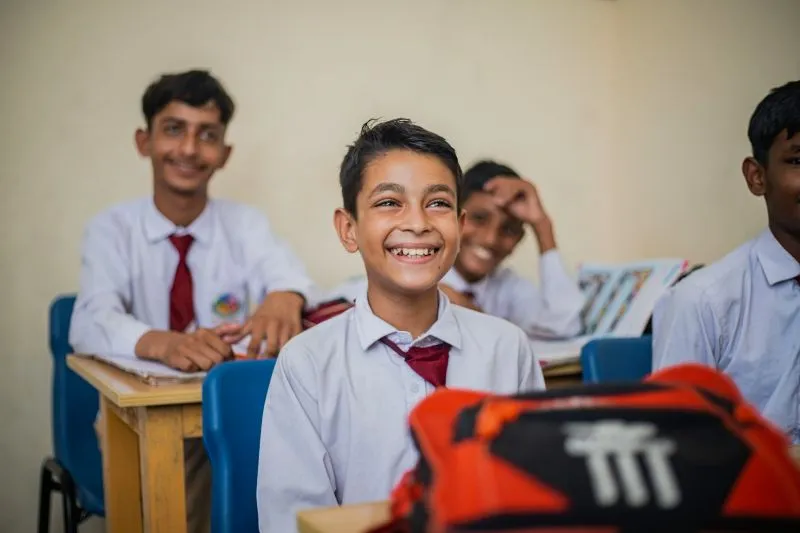
Every year, students leave school with degrees, dreams, and a long list of hopes for what comes next. But what separates those who thrive on the global stage from those who struggle to find their footing? More often than not, it comes down to one factor: the quality of preparation they received before they ever stepped on a plane.
Alumni success stories from internationally focused schools consistently show a clear pattern. Students who receive structured guidance – on university selection, academic pathways, cultural expectations, and personal development – tend to land on their feet faster, grow more confidently, and build careers that cross borders. At Rawafed School, that kind of preparation is not an afterthought. It is built into the school’s identity.
This article looks at why international education produces such strong outcomes, what study abroad success actually looks like in practice, and how the right school can set students up for a lifetime of achievement.
Why International Education Shapes Alumni Success
Showing up to study abroad is one thing. Showing up prepared is another – and that gap determines most of what follows.
Exposure to Global Opportunities
International campuses connect students with peers from dozens of countries and professional networks they could never build at home. Students who work across cultures and adapt to unfamiliar systems are exactly what multinational employers seek.
A joint study by the Forum on Education Abroad and Lightcast found that study abroad alumni contribute $1.8 billion in added income to the US economy and earn measurably higher wages at the three-year career mark.
Development of Key Skills
The skills studying abroad builds are the ones hardest to teach in a classroom:
- Adaptability – functioning in an unfamiliar setting builds mental flexibility that lasts a lifetime
- Communication across cultures – expressing ideas across linguistic and cultural lines sharpens both writing and speaking. Students with a bilingual education background arrive especially well-prepared, having already practiced switching between linguistic frameworks
- Problem-solving under pressure – unfamiliar systems teach students to think through uncertainty independently
- Self-management – budgeting and self-advocacy without a home support network builds independence classroom learning rarely replicates
The World Economic Forum’s Future of Jobs Report lists analytical thinking, creative thinking, and self-efficacy as the top three global skills – all sharpened by international education.
Long-Term Career Advantages
Career benefits compound over time. Study abroad alumni build professional networks in school – a headstart, non-mobile peers spend years trying to close.
Graduate success stories regularly include early promotions and cross-border career pivots that would have been out of reach without international experience.
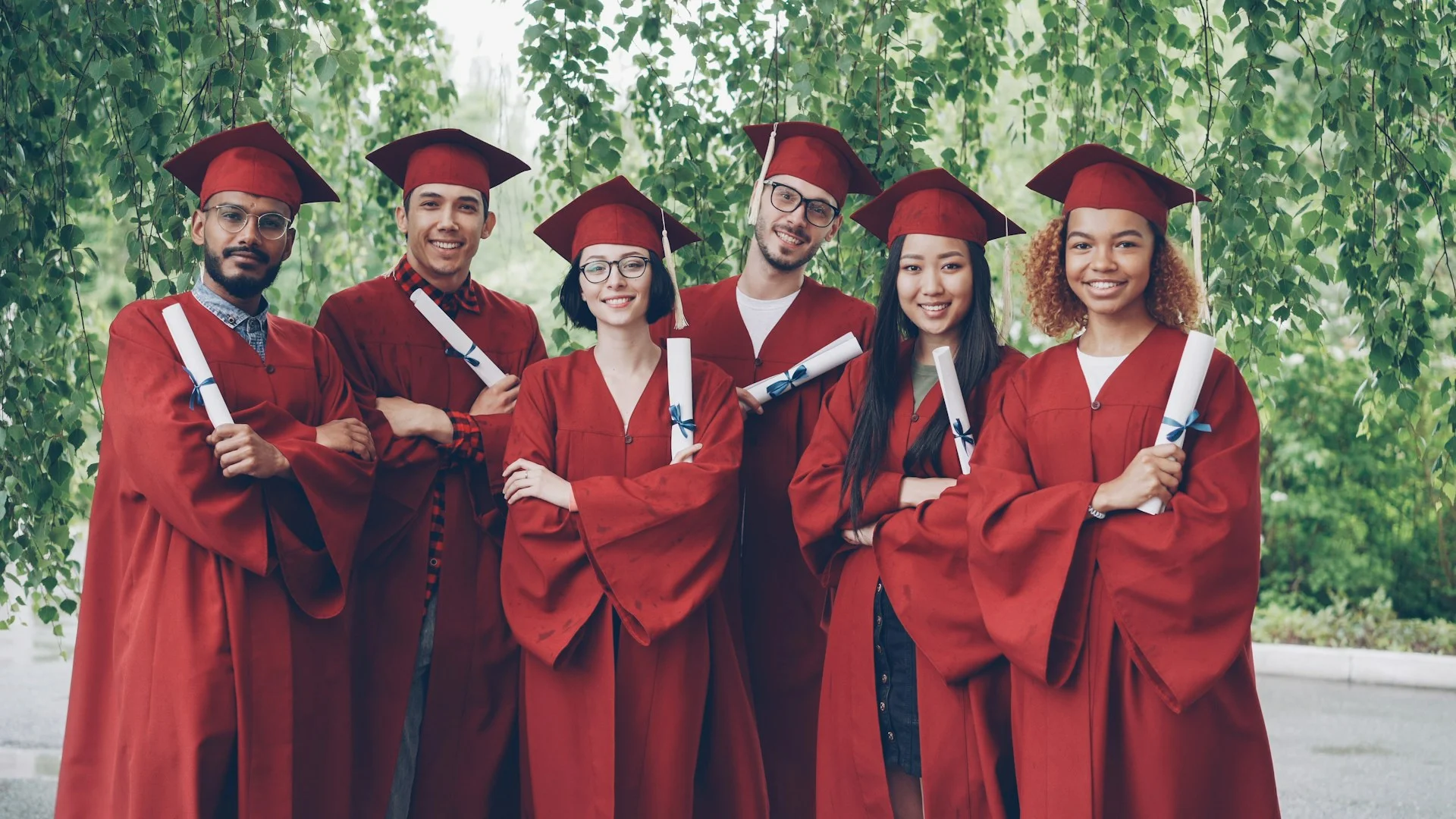
Inspiring Alumni Success Stories: What the Pattern Looks Like
Alumni success stories don’t follow one template. Some graduates go to top-ranked universities in the UK, US, or Australia; others build businesses or move into government. What they share is strong academic preparation and the resilience that international exposure builds.
Academic Achievements
Well-prepared students – strong results, polished applications, clear academic direction – tend to outperform peers with similar talent who arrived less ready. Early momentum matters: making the Dean’s List, securing a research role, or winning a scholarship opens doors that stay open throughout a career.
That groundwork is laid before university, in how thoroughly students were guided through subject selection, test preparation, and the application process.
Career Milestones
The most significant professional milestones for many alumni came through their international university networks – an internship at a global firm, a research collaboration that became a job offer, a classmate who became a business partner.
Alumni success stories from schools like Rawafed consistently show that the connections built during school years determine which opportunities appear later. Success abroad in study follows preparation, not luck.
Personal Growth Abroad
The experience of being the “outsider” – managing daily life, making friends across language barriers, succeeding academically under added pressure – builds a self-assurance that is hard to replicate any other way.
As NAFSA’s alumni interviews reflect, graduates describe discovering new passions, reconnecting with their cultural identity, and developing resilience that feeds directly into long-term professional performance.

Study Abroad Success: Lessons From Alumni
What can current students and their parents learn from the alumni who have already made this transition successfully? Three themes come up again and again.
Planning and Goal Setting
Study abroad success rarely happens by default. Alumni who thrive tend to arrive with a clear sense of what they want to achieve – academically, professionally, and personally. That clarity comes from doing the work in advance: researching universities and programs carefully, setting realistic goals for GPA or extracurricular involvement, and having an honest conversation about what success looks like before the first day of school.
Practical early planning steps include:
- Researching program rankings and specialisations in the relevant field of study
- Identifying scholarship opportunities and financial requirements at least 18 months before the intended start date
- Preparing for standardised exams (IELTS, SAT, A-Levels, or IB) with structured support well ahead of application deadlines
- Building a university shortlist that reflects both aspiration and realistic academic standing
Overcoming Challenges
No study abroad experience is without its difficult moments. Alumni consistently describe periods of homesickness, academic pressure, and cultural discomfort – especially in the first semester. What differentiates students who push through from those who struggle long-term is usually preparation: knowing that challenges will come and having concrete strategies for managing them.
Schools that offer pre-departure counseling, ongoing support from alumni networks, and relationships with families during the transition period make a measurable difference here. The more students feel prepared for the hard parts, the less those hard parts derail them.
Leveraging Opportunities
The students who get the most from their international education are not necessarily the most academically gifted – they are the most proactive. They join clubs in the first week. They attend career fairs. They send a cold email to the professor whose research interests them. They apply for the internship that feels slightly out of reach.
This habit of reaching for opportunities, even uncertain ones, is something that can be cultivated before university. Schools that actively foster creativity in education give students both the confidence to take initiative and the thinking skills to back it up – and that combination is exactly what international employers reward.
How Rawafed School Prepares Students for Success Abroad
Academic Counseling and Personalised Study Pathways
Rawafed School’s approach to university preparation is built around the individual student, not a one-size-fits-all program. Academic counselors work with students to map out study pathways that align with each student’s interests, strengths, and long-term goals – whether that means pursuing medicine at a UK university, engineering in Germany, or business in Canada.
This personalised academic guidance starts early, giving students time to make informed decisions about subject combinations, extracurricular profiles, and the specific strengths they want to develop before applying abroad. It also means building the habits that make students effective once they get there – discipline in school being one of the most foundational, since structured self-management at school age translates directly into academic resilience at the university level.
| Support Area | What Rawafed Provides |
|---|---|
| University Counseling | Personalised guidance on choosing the right country, institution, and program |
| Exam Preparation | Structured prep for IELTS, SAT, IB, and A-Level exams |
| Application Support | Essay review, personal statement guidance, and application strategy |
| Pre-Departure Readiness | Practical and emotional preparation for the transition to studying overseas |
| Alumni Connection | Access to a network of graduate success stories and mentorship |
University Application Guidance and Exam Preparation
Getting into a competitive international university requires more than strong grades. Admissions teams at top institutions look for students who communicate clearly, demonstrate self-awareness, and can articulate why their chosen program is the right fit. That takes practice and feedback – not something most students can develop on their own.
At Rawafed, university application support includes personal statement coaching, interview preparation, and targeted advice on how to present academic achievements in ways that resonate with international admissions panels. Students also benefit from guidance on how to make exam preparation less stressful and more productive – a practical skill that pays dividends not just at application time, but throughout a degree.
The school’s track record of sending graduates to universities across the UK, US, Europe, and beyond speaks to what structured preparation can produce. These are not lucky outcomes – they are the result of a deliberate process that treats university placement as a shared goal between students, families, and educators.

Start Your Path to Global Success
The gap between a student who hopes to succeed abroad and one who actually does is almost always preparation. The right school, the right guidance, and the right support at the right time make the difference.
Discover how Rawafed School can help you start your path from campus to a successful global career – and find out what personalised university counseling and academic support can do for your child’s future.
No two students learn the same way, and the best routine is the one that actually gets followed. Some students are most alert in the early evening after school; others do their sharpest thinking in the morning before classes begin. Some need silence; others concentrate better with structure in background noise.
The goal isn’t to copy someone else’s method – it’s to design a personal framework that accounts for individual energy patterns, subject demands, and realistic time availability. A routine that fits the student’s life is one they’ll actually keep.
Rawafed Private School’s guidance programs are designed to meet students where they are and help them build academic habits that carry forward into higher education and beyond.
Frequently Asked Questions
1. What do successful study abroad alumni say made the biggest difference in their experience?
Solid preparation before leaving and genuine willingness to get involved once they arrive – those two things consistently separate students who thrive from those who merely get by.
2. How do I know if my child is ready to study abroad after school?
Readiness shows up as clear academic interests, strong exam results, and proper guidance already in place – a school with dedicated counseling is best placed to make that assessment honestly.
3. Does studying abroad actually improve career prospects, or is it mostly a personal experience?
Both internationally educated alumni earn more and access broader networks, and the personal growth they gain makes those career advantages last.
4. What challenges do students most commonly face when studying abroad, and how can they prepare?
Homesickness, academic adjustment, and early social isolation are the most common hurdles, and pre-departure preparation that names them openly significantly reduces their impact.
5. How important is the choice of school before university when it comes to study abroad success?
Very – the academic foundation and counseling a student receives in school determines which universities they reach and how ready they are when they arrive; graduate success stories nearly always trace back to that earlier groundwork.