English schools in Abu Dhabi are private institutions where instruction is delivered primarily in English, following curricula such as the American, British (National Curriculum for England), or International Baccalaureate frameworks. They operate under the oversight of Abu Dhabi’s Department of Education and Knowledge (ADEK), which sets inspection standards, fee caps, and curriculum requirements.
The distinction from other curricula in Abu Dhabi matters. Arabic, Indian, Pakistani, and French-curriculum schools also operate across the emirate — each serving specific communities. English-medium schools, however, attract the broadest mix of nationalities, largely because their qualifications are recognized by universities in the UK, US, Canada, Australia, and beyond.
What separates English-curriculum schools from other options:
- Instruction delivered in English across core subjects from early years through senior grades
- Internationally portable qualifications accepted by universities worldwide
- Multicultural student populations that reflect the diversity of Abu Dhabi itself
- Mandatory ADEK requirements for Arabic, Islamic Studies, and UAE Social Studies, alongside the main curriculum
What Are Abu Dhabi English Schools?
English schools in Abu Dhabi are private institutions where instruction is delivered primarily in English, following curricula such as the American, British (National Curriculum for England), or International Baccalaureate frameworks. They operate under the oversight of Abu Dhabi’s Department of Education and Knowledge (ADEK), which sets inspection standards, fee caps, and curriculum requirements.
The distinction from other curricula in Abu Dhabi matters. Arabic, Indian, Pakistani, and French-curriculum schools also operate across the emirate — each serving specific communities. English-medium schools, however, attract the broadest mix of nationalities, largely because their qualifications are recognized by universities in the UK, US, Canada, Australia, and beyond.
What separates English-curriculum schools from other options:
- Instruction delivered in English across core subjects from early years through senior grades
- Internationally portable qualifications accepted by universities worldwide
- Multicultural student populations that reflect the diversity of Abu Dhabi itself
- Mandatory ADEK requirements for Arabic, Islamic Studies, and UAE Social Studies, alongside the main curriculum
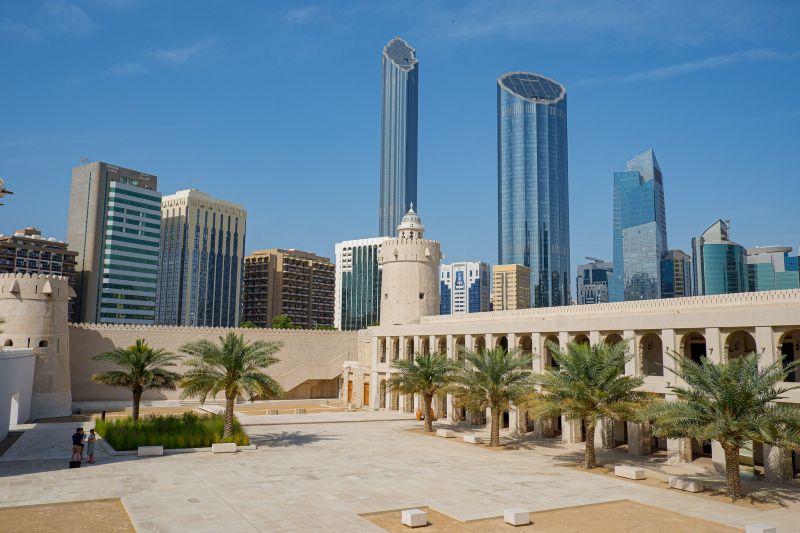
Why English Schools in Abu Dhabi Are Highly Sought After
The demand for English schools in Abu Dhabi keeps growing — and it’s not hard to understand why. For expatriate families on short or medium-term assignments, placing a child in a school whose qualifications transfer smoothly is a practical necessity. For UAE-based families with long-term plans for international university admission, the same logic applies.
Internationally Recognized Qualifications
A-Levels, IGCSEs, the IB Diploma, and AP (Advanced Placement) programs are the main exit qualifications offered by English-medium schools in Abu Dhabi. Universities in the US, UK, Canada, Australia, and Europe widely recognize these credentials. According to ADEK’s official Irtiqa’a inspection results for 2024–25, published in October 2025, education in Abu Dhabi continues to strengthen — with 13 schools achieving the Outstanding rating and 51 rated Very Good, the majority carrying “Outstanding features.”
This upward trend reflects the sustained investment English-medium schools have made in curriculum quality and teacher development. You can read more about how this connects to curriculum planning in Abu Dhabi on the Rawafed blog.
At Rawafed School, senior students in Grades 11 and 12 are prepared for:
- SAT I and SAT II
- TOEFL
- Advanced Placement (AP) examinations in Biology, Chemistry, Physics, and Mathematics
These documented credentials give graduates clear pathways to universities in the US, UK, Canada, Europe, Australia, and across the Middle East.
Strong Academic Standards and Regulation
ADEK inspects every private school in Abu Dhabi on a regular cycle, rating performance across areas like teaching quality, student outcomes, and school leadership. These inspection ratings are publicly available, which means parents can compare institutions based on regulatory findings – not just marketing materials.
Teaching Approaches Used in English Schools in Abu Dhabi
Good teaching is harder to measure than curriculum structure, but it’s often what parents remember most — and what actually determines whether a child thrives. Abu Dhabi English schools have moved well beyond the traditional lecture-and-test model. What’s in place now reflects a wider shift in how international schools approach learning.
Student-Centered Learning Methods
The shift toward student-centered learning means students spend more time applying knowledge than receiving it passively. This approach covers:
- Group projects and inquiry-based tasks are built into core lesson plans
- Problem-solving challenges that develop critical thinking alongside subject knowledge
- Activity-based learning in early years, focusing on reading, writing, speaking, and listening through doing rather than drilling
At Rawafed School, this philosophy runs through every grade level. The school’s stated mission — developing well-rounded individuals who contribute actively to their communities — shapes classroom expectations from Kindergarten through to Grade 12. As the school’s own blog on personalized learning in UAE classrooms highlights, modern education increasingly recognizes that one-size-fits-all instruction doesn’t serve all students equally well.
Blended Academic Instruction
English-medium schools in Abu Dhabi increasingly combine direct instruction with project-based learning, digital tools, and collaborative tasks. This isn’t about using technology for its own sake — it’s about matching how students learn with how content is delivered.
Key features common to blended instruction in Abu Dhabi English schools include:
- Subject-specialist teachers from Grade 5 onward, allowing deeper content expertise per subject
- Integration of Arabic and additional languages (French, for example) alongside English-medium core subjects
- Extracurricular programs — competitions, exhibitions, school events — that reinforce classroom content in real-world contexts
Assessment and Evaluation Methods
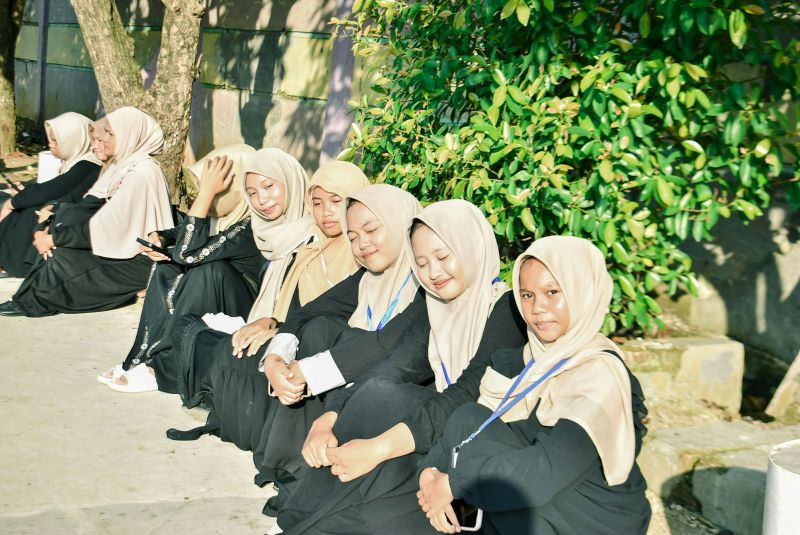
Assessment in strong English-medium schools goes well beyond annual exams. Formative assessment — ongoing checks on understanding during lessons — helps teachers spot gaps before they become bigger problems. According to Rawafed’s own approach to giving effective feedback to students, feedback is one of the most powerful tools in education and works best when it’s specific, timely, and tied to clear learning goals.
ADEK inspection reports evaluate not just final results but how well schools track individual progress over time. Schools that score well in this area tend to have:
- Structured monitoring systems for tracking each student’s development
- Regular communication with parents about both progress and areas for improvement
- Clear intervention pathways for students who need additional support
Facilities and Learning Environment in Abu Dhabi English Schools
The physical environment of a school does affect learning — not because well-designed buildings teach anything by themselves, but because students concentrate better, engage more, and feel safer when their surroundings are functional and well-maintained.
Modern Campus Infrastructure
English schools in Abu Dhabi typically invest heavily in campus quality. Sports facilities, science labs, arts spaces, libraries, and dedicated early-years units are now standard expectations rather than premium add-ons at better-rated schools.
Rawafed School’s campus in Khalifa City A includes:
- Large outdoor grounds for sports and physical education
- An indoor multi-purpose hall
- Dedicated Kindergarten facilities separated from secondary areas
- Subject-specialist rooms for senior students in Grades 5 through 12
The school also provides city-wide transportation, which removes a common logistical barrier for families living further from the campus. More details on the school’s physical setup are available on the Rawafed facilities page.
Technology Integration in Learning
Technology in modern English-medium schools serves a specific purpose: extending what’s possible in the classroom. This means:
- Digital tools for independent research and collaborative projects
- Online assessment platforms that give teachers real-time data on student progress
- Integration of tech into inquiry-based tasks rather than rote exercises
As Rawafed’s blog on learning materials for Abu Dhabi classrooms notes, selecting the right resources directly influences how students engage with content, develop understanding, and retain knowledge over time.
Safe and Inclusive School Environments
Multicultural enrollment is one of the defining features of Abu Dhabi English Schools — and it requires deliberate effort to manage well. Schools with students from 30 or 40 different nationalities need clear policies around inclusion, behavior, and student well-being to function effectively.
ADEK inspections evaluate care, guidance, and support as distinct categories. Schools that earn high marks in this area typically offer:
- Structured counseling and pastoral care programs
- Clear anti-bullying policies with transparent enforcement
- Mental health support — an area Rawafed addresses directly in its approach to school mental health
- Proactive parent communication about student well-being, not just academic outcomes

How Abu Dhabi English Schools Compare: Curriculum Overview
|
Feature |
British Curriculum |
American Curriculum |
IB Curriculum |
|
Key qualifications |
IGCSE, A Levels |
US Diploma, AP exams, SAT/TOEFL |
IB Diploma (MYP, PYP) |
|
University pathways |
Strong UK/global reach |
Strong US and international reach |
Widely accepted globally |
|
Language of instruction |
English |
English |
English |
|
Assessment style |
Exam-focused with coursework |
Continuous assessment + standardized tests |
Mixed: internal + external |
|
ADEK regulated |
Yes |
Yes |
Yes |
Frequently Asked Questions
What’s the difference between British and American curriculum schools in Abu Dhabi?
British schools lead to IGCSEs and A Levels, primarily targeting UK and Commonwealth universities. American schools offer a US Diploma with AP, SAT, and TOEFL credentials – opening pathways to US and international institutions. Both are English-medium and ADEK-regulated.
Do English schools in Abu Dhabi also teach Arabic?
Yes. ADEK requires all private schools to include Arabic, Islamic Studies, and UAE Social Studies regardless of the main curriculum. Schools like Rawafed also offer French as an additional language from Grade 4 onward.
How are Abu Dhabi schools inspected and rated?
ADEK runs regular Irtiqa’a inspections, rating schools from Outstanding to Weak across teaching quality, student outcomes, and pastoral care. Results are public. The 2024–25 cycle rated 13 schools Outstanding and 51 Very Good.
Are English-medium school qualifications accepted by UAE universities?
Yes – A Levels, IB Diplomas, AP credentials, and US High School Diplomas are accepted by UAE universities and institutions across the UK, US, Canada, Australia, and Europe.
How do I know if an English school in Abu Dhabi is the right fit for my child?
Review recent ADEK inspection reports, visit the campus, and ask about teacher qualifications, student-to-teacher ratios, and well-being support. Curriculum type, assessment approach, and extracurricular options are also worth comparing before deciding.