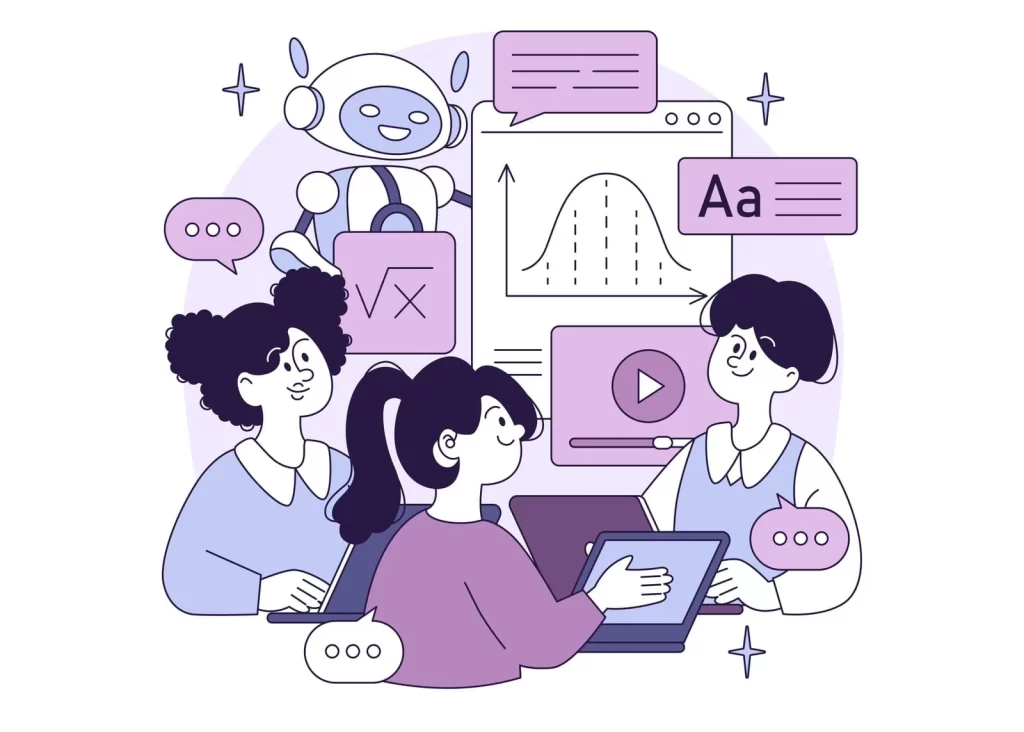
How Technology Is Shaping Modern Classroom Tools for Teachers
Publish Date:
August 11, 2025
Technology has transformed education in unprecedented ways. Today, classroom tools for teachers are no longer limited to chalkboards, printed worksheets, or overhead projectors. Modern digital tools for the classroom offer innovative methods to enhance teaching efficiency, boost student engagement, and streamline administrative tasks.
When integrated thoughtfully, these tools allow educators to create learning environments that are interactive, personalized, and highly effective. Schools in the UAE are embracing technology to improve outcomes, foster creativity, and prepare students for the demands of the modern world.
The Role of Technology in Modern Education
Enhancing Teaching Efficiency
Classroom tools for teachers are now central to improving lesson planning, delivery, and assessment. Digital tools for the classroom enable teachers to automate repetitive tasks, such as grading quizzes or organizing lesson materials. This automation frees up time for more meaningful interactions with students.
For example, teachers can focus on providing personalized guidance or developing creative teaching activities. Additionally, technology helps track student progress efficiently. By analyzing data from online assignments or digital assessments, teachers can quickly identify areas where students struggle and provide timely interventions.
Boosting Student Engagement
Technology makes learning more interactive and student-centered. With digital tools for the classroom, students can access multimedia content, participate in interactive quizzes, and collaborate in real time with peers. These methods keep students actively involved in the learning process and encourage critical thinking, problem-solving, and creativity.
Classroom tools for teachers are designed not only to deliver content but also to create an environment where students feel motivated to participate. Gamified learning platforms, virtual simulations, and collaborative online projects are some examples of how engagement can be significantly enhanced.
Understanding Classroom Tools for Teachers
Types of Digital Tools
Digital tools for the classroom encompass a wide variety of software, applications, and platforms. These tools generally fall into three categories:
Instructional tools – Tools that support lesson delivery, such as presentation software, interactive whiteboards, and educational videos.
Assessment tools – Tools for quizzes, polls, and assignments that provide instant feedback and track student progress.
Collaboration and communication tools – Platforms that facilitate group work, discussion forums, and teacher-student interactions.
These tools can be adapted for different grade levels, subjects, and teaching styles. They are flexible, scalable, and increasingly essential in modern classrooms.
Benefits for Teachers and Students
Classroom tools for teachers provide numerous benefits. For educators, these tools simplify lesson planning, save time, and allow for more creative teaching methods. They also enable teachers to monitor students more effectively and respond to their needs promptly. Students, on the other hand, benefit from engaging and interactive learning experiences.
They can access resources anytime, receive instant feedback, and collaborate with classmates more effectively. By integrating digital tools into daily instruction, teachers create learning environments that are both efficient and stimulating.
Best Technology Tools for the Classroom
Instructional Tools
Instructional tools enhance how lessons are presented. They include visual aids, interactive whiteboards, and multimedia content. These tools help teachers break down complex concepts into understandable elements, making learning more accessible. For instance, using animations to explain scientific processes or interactive timelines for history lessons helps students grasp material faster and retain information longer.
Assessment and Feedback Tools
Assessment tools allow teachers to evaluate student understanding continuously. Quizzes, surveys, and interactive assignments provide immediate feedback, helping both students and teachers identify areas for improvement. Using these tools, educators can adjust lesson plans and teaching strategies in real time, ensuring no student falls behind. Feedback tools also promote self-directed learning by encouraging students to track their own progress.
Collaboration and Communication Tools
Collaboration tools facilitate teamwork and communication among students. Platforms for group projects, discussion boards, and instant messaging help students share ideas and learn collaboratively. Teachers can use these tools to monitor participation, guide discussions, and encourage problem-solving. Collaboration in the digital space prepares students for the teamwork and communication skills needed in the modern workplace.
Implementing Technology in the Classroom
Strategies for Effective Integration
Effective integration of classroom tools for teachers requires careful planning. Teachers should select tools that complement their teaching goals rather than replace traditional methods.
A phased approach works best: piloting tools with a small group, gathering feedback, and gradually expanding usage. Schools can also encourage peer mentoring, where experienced teachers guide others in adopting new tools effectively.
Maintaining Student Focus
While technology can enhance engagement, it can also distract students. To maintain focus, teachers should set clear guidelines for device use, structure lessons in manageable segments, and actively monitor student participation. Mixing technology-based activities with traditional instruction ensures students remain attentive and focused.
Teacher Training and Support
For digital tools to be effective, teachers must receive adequate training and support. Professional development workshops, online tutorials, and collaborative peer sessions can help teachers feel confident in using new technologies. Schools should also provide ongoing technical support to address challenges and ensure smooth implementation.
Challenges in Using Technology for Classroom Tools
Technical Challenges
Technical issues, such as software glitches, connectivity problems, or device malfunctions, can disrupt classroom activities. Schools need robust IT support, reliable infrastructure, and backup plans to minimize interruptions.
Student Engagement Challenges
Some students may struggle to stay motivated or focused even with digital tools. Teachers need to create structured learning experiences, incorporate interactive elements, and provide consistent feedback to maintain engagement.
Cost and Accessibility Concerns
The cost of devices, software, and internet connectivity can be significant. Schools must balance budgets while ensuring equitable access for all students. Addressing accessibility concerns ensures that every student benefits from classroom tools for teachers.
Key Advantages of Classroom Tools for Teachers
Save time on administrative and repetitive tasks
Improve lesson planning and organization
Increase student engagement through interactive content
Provide instant feedback and assessment results
Facilitate collaboration among students
Enhance personalized learning experiences
Track and monitor student progress efficiently
Prepare students for digital literacy in the modern world
Future Trends in Classroom Tools for Teachers
The future of classroom tools for teachers looks promising. Artificial intelligence may be used to personalize learning experiences and adapt content to individual student needs. Virtual and augmented reality can provide immersive learning opportunities for complex subjects.
Adaptive assessment tools will continue to monitor progress in real time, adjusting difficulty to ensure optimal learning. Schools in the UAE are exploring these trends to create innovative educational environments that prepare students for success in the digital age.
Integrating Technology for Better Learning
Technology has transformed how teachers teach and students learn. Classroom tools for teachers, digital tools for the classroom, and best technology tools for the classroom help improve efficiency, engagement, and personalized learning. By carefully integrating these tools, teachers can create interactive and productive learning environments.
Effective implementation requires planning, training, and support. Challenges such as technical issues, student distractions, and budget constraints must be addressed. As technology continues to evolve, its role in education will expand, enabling teachers to provide dynamic, inclusive, and engaging learning experiences.
By adopting classroom tools for teachers thoughtfully, schools in the UAE can ensure students receive quality education that equips them with essential skills for the future. Digital tools help teachers inspire, guide, and support their students while enhancing learning outcomes and fostering a love for knowledge.