Schools are not just places where academic knowledge is transferred — they are environments where young people learn how to live, work, and grow alongside others. Central to that process is the importance of discipline in school. Without it, even the most talented teachers and well-designed curricula struggle to produce meaningful results. Discipline shapes the conditions that make real learning possible.
Understanding what discipline means in an educational context — and how to apply it effectively — is essential for educators, administrators, and parents alike.
What Is Discipline in a School Environment?
Discipline in schools is not simply about punishment or control. It refers to a structured set of expectations, routines, and boundaries that guide student behavior and create a safe, respectful, and productive atmosphere for everyone.
Effective school discipline encompasses:
- Clear rules and behavioral expectations
- Consistent consequences for both positive and negative behavior
- Mutual respect between students and staff
- Systems that support students in making better choices over time
When understood this way, discipline becomes a framework for growth rather than a mechanism for compliance. It teaches students how to manage themselves — a skill that extends far beyond the classroom.
The Importance of Discipline in School for Student Development
Fostering a Positive Learning Environment
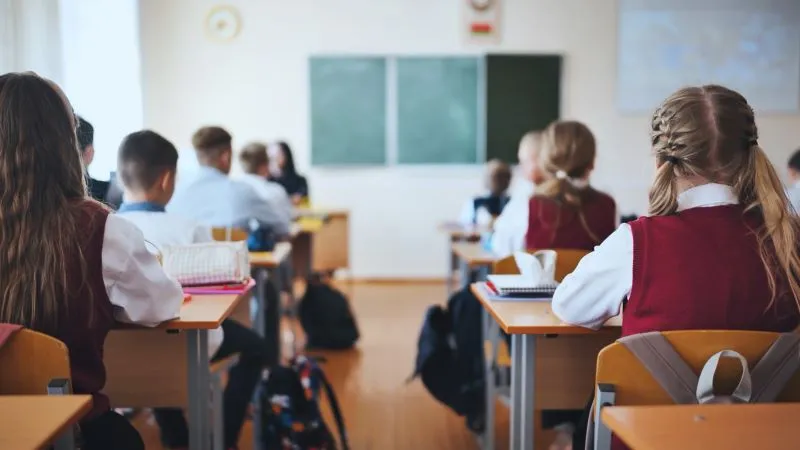
A disciplined classroom is a calm classroom. When students know what is expected of them and trust that rules apply consistently, anxiety decreases and engagement increases. Teachers can spend more time on instruction and less time managing disruptions.
Research consistently shows that students perform better in structured environments. Order and predictability allow both teachers and learners to focus on what matters most: the exchange of ideas and skills.
Enhancing Student Achievement
Discipline and academic performance are deeply connected. Students who develop self-discipline — the ability to stay focused, complete tasks, and persist through challenges — consistently outperform peers who lack those habits.
Self-disciplined students are more likely to:
- Complete homework and long-term projects on time
- Prepare thoroughly for tests and assessments
- Seek help proactively rather than falling behind
- Sustain effort through difficult material
The habits built through school discipline translate directly into better grades, higher graduation rates, and stronger college and career readiness.
Challenging work also helps gifted students develop realistic self-assessment skills. When everything comes too easily, students may develop inflated views of their abilities or, conversely, may not understand their true strengths because they never see how they compare to appropriately difficult material.
Promoting Social and Emotional Development
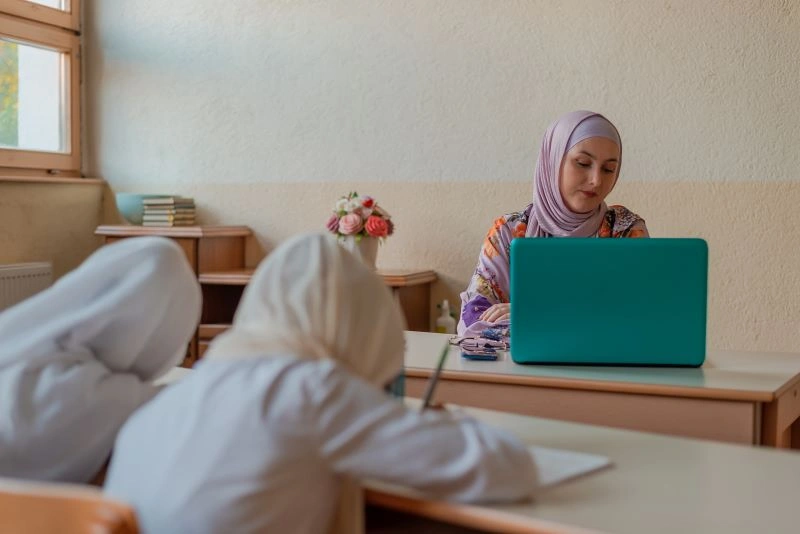
Discipline also shapes how students relate to one another. Learning to follow shared rules, resolve conflicts respectfully, and take turns builds the social-emotional skills that define healthy relationships throughout life.
Schools that integrate social-emotional learning strategies alongside behavioral expectations see measurable improvements in empathy, cooperation, and conflict resolution. Discipline, in this sense, is character education.
Building Character and Responsibility
Every time a student respects a deadline, follows through on a commitment, or owns the consequences of their actions, they are building character. These moments — multiplied across years of schooling — shape the kind of adult a child becomes.
Responsibility, integrity, and resilience are not innate traits. They are practiced behaviors, and school is one of the most powerful environments for practicing them.
10 Ways to Improve Discipline in School
Knowing how to maintain discipline in school requires a proactive, student-centered approach. The following strategies have proven effective across a wide range of school settings.
| Strategy | Primary Benefit | |
| 1 | Set Clear Expectations from the Start | Reduces ambiguity and prevents misconduct |
| 2 | Encourage Positive Behavior | Reinforces desired actions rather than just punishing violations |
| 3 | Establish Consistent Routines | Creates predictability that reduces anxiety |
| 4 | Promote Active Engagement | Keeps students focused and reduces idle disruption |
| 5 | Use Restorative Practices | Repairs relationships and addresses root causes of behavior |
| 6 | Implement Peer Mentoring Programs | Builds accountability through peer relationships |
| 7 | Foster Strong Teacher-Student Relationships | Creates trust that makes students more receptive to guidance |
| 8 | Encourage Extracurricular Participation | Channels energy positively and builds school belonging |
| 9 | Use Technology for Monitoring and Engagement | Provides data-driven insights and keeps students engaged |
| 10 | Provide Emotional and Social Support | Addresses underlying issues that drive behavioral problems |
- Set Clear Expectations from the Start — Post rules visibly, explain the rationale behind them, and revisit expectations regularly. Students are far more likely to comply with rules they understand and perceive as fair.
- Encourage Positive Behavior — Praise, reward systems, and public recognition of good behavior reinforce what you want to see more of. Positive reinforcement is consistently more effective than punishment alone.
- Establish Consistent Routines — Predictable daily structures reduce the mental load on students and limit the chaos that invites disruptive behavior.
- Promote Active Engagement — Bored students misbehave. Lessons that involve discussion, problem-solving, and hands-on activity keep students mentally occupied and on task.
- Use Restorative Practices — Rather than simply suspending a student, restorative approaches bring affected parties together to repair harm and rebuild relationships. This reduces repeat offenses and builds community.
- Implement Peer Mentoring Programs — Older students mentoring younger ones creates structured accountability and gives mentors a sense of responsibility that shapes their own behavior. Explore peer mentoring frameworks for middle and high schools for practical implementation models.
- Foster Strong Teacher-Student Relationships — Students who feel seen and valued by their teachers are significantly less likely to act out. Relationship-building is not a soft extra — it is a core discipline strategy.
- Encourage Extracurricular Participation — Sports teams, clubs, and arts programs give students constructive outlets for energy and strengthen their sense of belonging to the school community.
- Use Technology for Monitoring and Engagement — Digital platforms can track attendance patterns, flag at-risk students early, and deliver engaging content. When used thoughtfully, technology supports both discipline and learning.
Provide Emotional and Social Support — Many behavioral issues stem from stress, trauma, or unmet emotional needs. School counselors, mental health resources, and classroom strategies for supporting student well-being are essential parts of any discipline system.
The Role of Teachers in Maintaining Discipline
How Teachers Set the Tone Each Day
Teachers are the single most influential factor in classroom discipline. Before any policy or program takes effect, the teacher’s daily presence — their consistency, warmth, and clarity — determines whether students feel safe enough to follow the rules.
A teacher who greets students by name, starts class with a clear routine, and responds to misbehavior calmly and consistently creates an environment where discipline becomes almost self-sustaining. Students mirror the emotional register of the adults around them.
Balancing Authority with Empathy
Effective discipline does not require coldness or rigidity. The most successful teachers combine firm boundaries with genuine care. They hold students accountable without humiliating them. They address behavior without attacking character. They recognize that a student acting out is often a student struggling.
This balance — authority paired with empathy — is what turns discipline from a source of resentment into a source of trust. When students believe their teacher genuinely wants them to succeed, they are far more willing to accept correction and try again.
Professional development programs that train teachers in trauma-informed practices, de-escalation techniques, and relationship-based discipline produce measurable improvements in classroom climate and student outcomes.
Discipline as the Cornerstone of Student Growth
The importance of discipline in school extends far beyond keeping hallways quiet. It shapes academic achievement, social development, emotional resilience, and character. Students who experience consistent, fair, and empathetic discipline during their school years are better prepared for the demands of adult life — in the workplace, in relationships, and in civic participation.
Discipline works best when it is not imposed as a top-down system of control, but built collaboratively as a shared commitment to respect and growth. Schools that invest in 10 ways to improve discipline in school — from clear expectations to emotional support — see lasting results across every metric that matters.
If your school is ready to strengthen its approach to student behavior and culture, start with one strategy, measure the impact, and build from there. Small, consistent steps create lasting change.