Academic excellence alone no longer suffices for student success in contexts demanding collaboration, communication, adaptability, and emotional intelligence alongside traditional knowledge. Students who achieve top grades but lack the confidence to present ideas, struggle to work in teams, or are unable to manage stress, face significant disadvantages despite their academic capabilities.
Abu Dhabi schools increasingly recognize this reality, understanding that education must develop complete individuals equipped not just with knowledge but with personal qualities enabling them to apply that knowledge effectively, navigate social contexts successfully, and adapt to changing circumstances throughout their lives.
This holistic perspective requires intentional focus on personality development for students—the cultivation of traits, skills, and dispositions supporting success across academic, professional, and personal dimensions.
Why Personality Development Matters in Modern Education
Personality development for students has become essential in modern education as schools recognize that academic knowledge represents only one component of preparation for successful, fulfilling lives. The growing emphasis in Abu Dhabi schools on holistic development reflects the understanding that students need confidence to pursue opportunities, communication skills to express ideas effectively, emotional intelligence to navigate relationships, leadership abilities to influence positive change, and resilience to overcome inevitable setbacks.
This holistic approach aligns with UAE national visions emphasizing innovation, entrepreneurship, and global competitiveness—outcomes requiring well-rounded individuals with strong personal qualities alongside academic knowledge. Abu Dhabi schools increasingly implement comprehensive student development programs addressing these broader developmental needs through structured activities, supportive school cultures, and intentional skill-building.
Key Skills to Focus On for Personality Development
Communication Skills
Effective communication—expressing ideas clearly, listening actively, adapting messages to audiences—proves essential across all life domains. Students need abilities to participate in discussions, deliver presentations, write clearly, and engage in constructive dialogue. Communication skills enable students to share knowledge, collaborate effectively, advocate for themselves, and build relationships supporting personal and professional success.
Confidence and Self-Esteem
Confidence enables students to attempt challenges, persist through difficulties, and recover from setbacks. Students with healthy self-esteem believe in their capabilities, take the appropriate risks necessary for growth, and handle criticism constructively. Building confidence requires experiences of success, supportive feedback, and opportunities to develop competence in valued areas.
Emotional Intelligence
Understanding and managing emotions—both one’s own and others’—supports relationship building, conflict resolution, and stress management. Emotionally intelligent students recognize their feelings, regulate emotional responses appropriately, empathize with others, and navigate social situations effectively. These capabilities prove crucial for personal relationships and professional contexts requiring teamwork and interpersonal sensitivity.
Leadership and Teamwork
Students need abilities to both lead and contribute as team members. Leadership involves inspiring others, making decisions, taking responsibility, and guiding groups toward goals. Teamwork requires collaboration, compromise, respecting diverse perspectives, and contributing individual strengths toward collective objectives. These complementary skills prepare students for professional and civic contexts requiring effective group functioning.
Critical Thinking and Decision-Making
Independent thinking, analyzing information, evaluating options, and making sound decisions represent essential capabilities. Students must learn to question assumptions, consider evidence, recognize biases, and reach reasoned conclusions. These cognitive skills support academic learning while enabling thoughtful navigation of complex personal and professional decisions throughout life.
Discipline and Time Management
Self-discipline and effective time management enable students to pursue long-term goals despite short-term temptations or difficulties. Students need strategies for planning, prioritizing, managing competing demands, and maintaining focus. These executive function skills support academic success while establishing habits enabling lifelong productivity and goal achievement.

Personality Development Activities for School Students
Interactive Classroom Activities
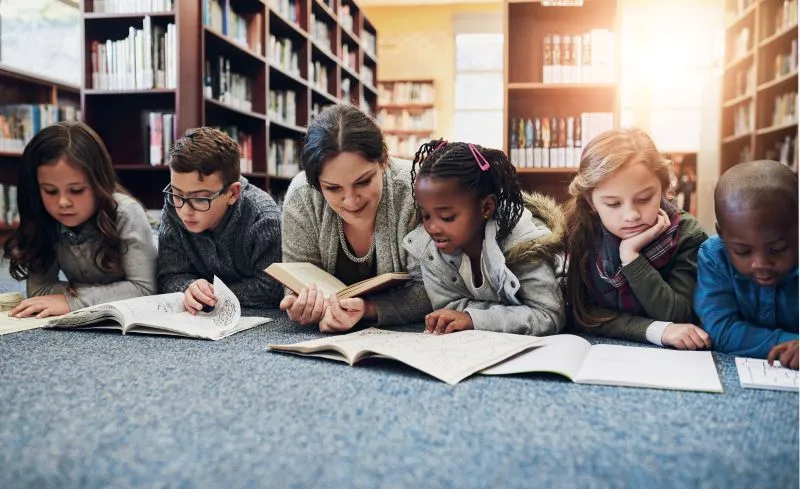
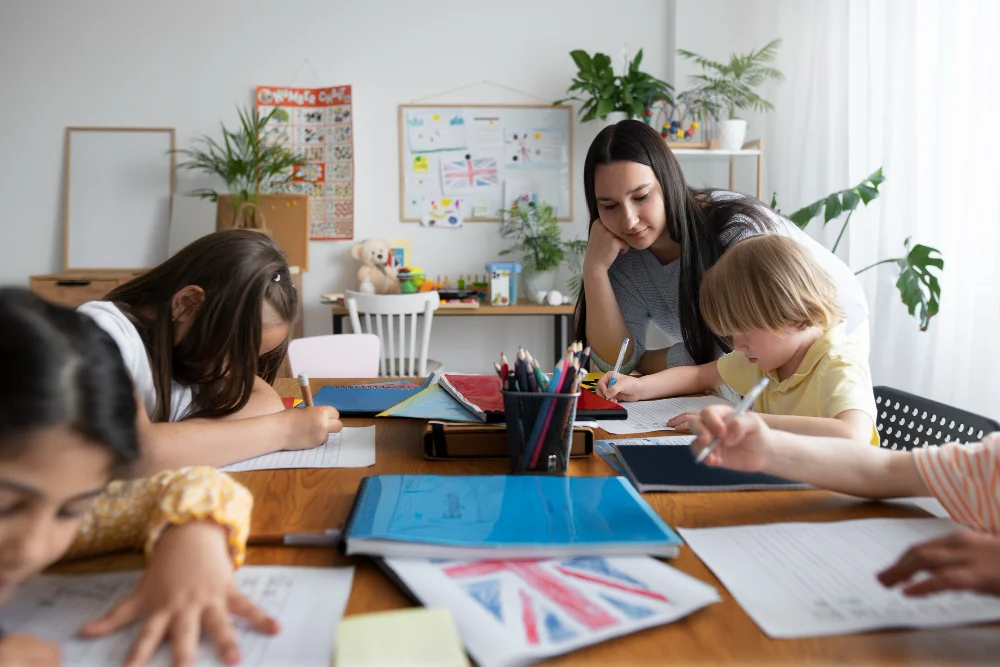
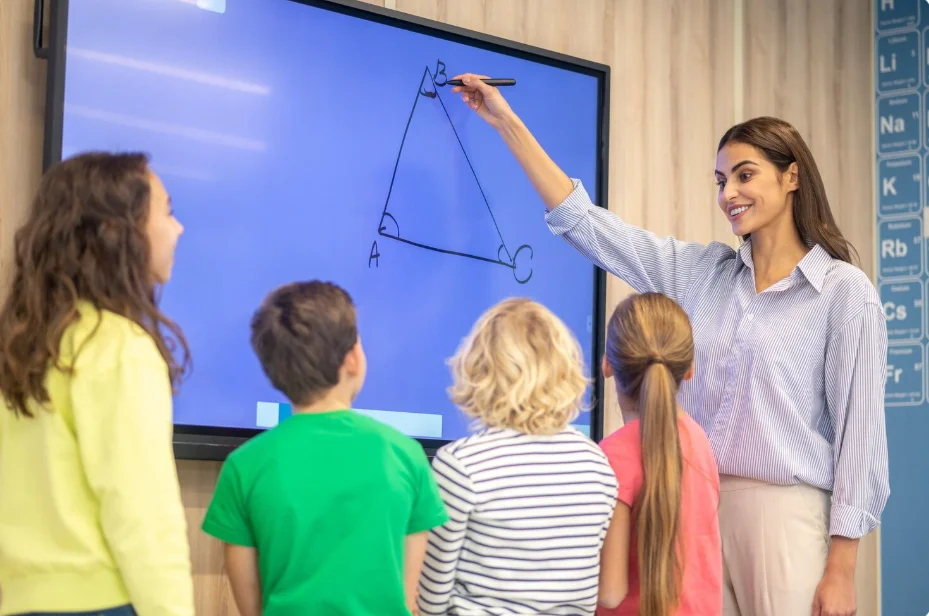
Personality development activities for school students begin within classrooms through structured discussions, debates, presentations, and collaborative projects requiring students to communicate, cooperate, and think critically. Teachers facilitate activities where students present research, defend positions, question peers respectfully, and work together solving problems. These regular classroom experiences build skills through authentic practice in supportive contexts.
Creative and Artistic Activities
Drama, music, visual arts, creative writing, and other artistic pursuits support personality development through self-expression, creativity, and confidence-building. Performing before audiences develops poise and self-assurance. Collaborative artistic projects build teamwork. Creative processes encourage innovation and comfort with ambiguity. These activities provide outlets for emotional expression, supporting emotional intelligence development.
Leadership and Team Activities
Student councils, club leadership, peer mentoring, and group projects provide opportunities to develop leadership and teamwork skills. Personality development activities for students include organizing events, leading initiatives, collaborating on projects, and taking responsibility for outcomes. These experiences teach practical leadership skills while building confidence and interpersonal capabilities.
Mindfulness and Emotional Growth Activities
Guided reflection, journaling, mindfulness exercises, and social-emotional learning curricula support emotional intelligence and self-awareness development. Students learn to identify emotions, understand triggers, employ coping strategies, and develop empathy. These activities provide explicit instruction in emotional skills, complementing experiential learning through social interactions.
Sports and Physical Activities
Athletic participation develops discipline, teamwork, resilience, and confidence. Students learn to handle victory and defeat gracefully, persist through challenges, cooperate with teammates, and push beyond perceived limits. Physical activities also support stress management and overall well-being, contributing to balanced personality development.
How Abu Dhabi Schools Support Personality Development
Structured Student Development Programs
Many Abu Dhabi schools implement formal student development programs, providing systematic approaches to personality development for students. These programs include structured curricula addressing specific skills, scheduled activities providing practice opportunities, and assessment frameworks tracking student growth in personal competencies alongside academic achievement.
Teacher Training and Guidance
Effective personality development requires teachers skilled in facilitating social-emotional learning, providing constructive feedback supporting confidence, and creating classroom environments where students feel safe taking interpersonal risks necessary for growth. Abu Dhabi schools invest in professional development, equipping teachers with strategies for supporting holistic student development.
Use of Modern Techniques
Schools employ contemporary approaches, including project-based learning requiring collaboration and communication, technology enabling creative expression and global connections, and experiential learning providing authentic contexts for skill application. These modern pedagogies naturally integrate personality development activities for students within academic instruction rather than treating personal development as separate from learning.
Key program components include:
- Regular opportunities for student leadership and initiative
- Explicit instruction in communication and emotional skills
- A mentoring relationship provides guidance and support
- Recognition systems celebrate character development alongside academic achievement
- Partnerships with families supporting consistent development across contexts
Collaborative Responsibility for Student Development
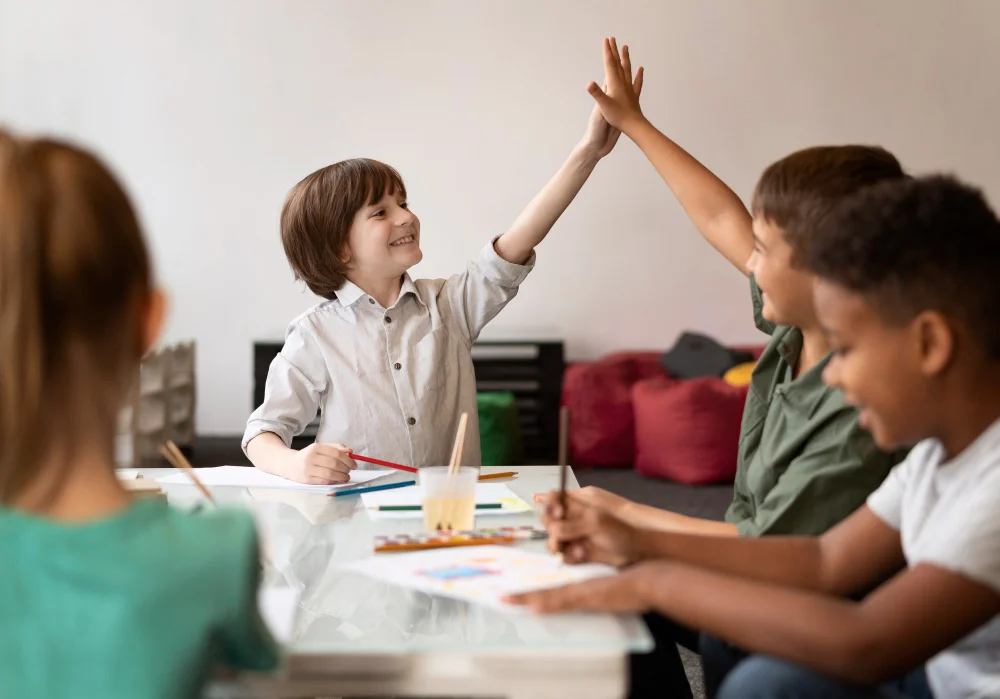
Personality development for students requires collaboration among schools, families, and communities. Schools provide structured student development programs, but families reinforce skills through home expectations, communication patterns, and opportunities for responsibility. Communities offer additional contexts for leadership, service, and skill application through youth organizations, sports leagues, and cultural programs.
Parents can support development by encouraging independence, providing age-appropriate responsibilities, modeling effective communication and emotional regulation, celebrating effort and growth alongside achievement, and facilitating diverse experiences exposing students to varied contexts and challenges. This partnership ensures consistent messages and comprehensive opportunities supporting holistic development.
Preparing Well-Rounded Individuals
Personality development for students represents an essential educational priority in Abu Dhabi schools committed to preparing well-rounded individuals for success in a complex, interconnected world.
By intentionally developing communication, confidence, emotional intelligence, leadership, critical thinking, and self-management skills through diverse personality development activities for students, schools provide comprehensive preparation extending beyond academic knowledge to encompass personal qualities, enabling students to thrive professionally, contribute meaningfully to communities, and live fulfilling lives.
This holistic vision requires sustained commitment from schools, parents, and communities working together, nurturing capable, confident, compassionate individuals equipped for whatever futures hold.