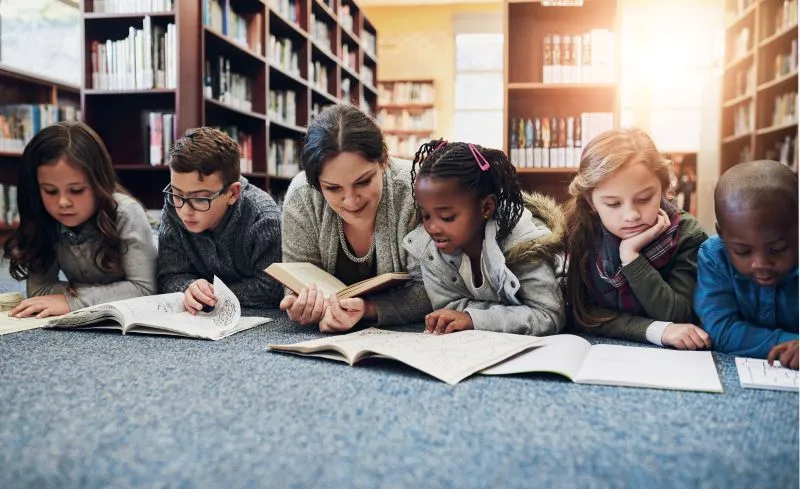
Traditional classrooms painted familiar scenes—teachers lecturing from the front while students sat in neat rows, copying notes, memorizing facts, and preparing for tests that measured recall more than understanding. This model served industrial-age needs for standardized knowledge workers but fails modern requirements for creative problem-solvers, critical thinkers, and collaborative innovators.
Today’s students will enter careers demanding skills that rote memorization cannot develop—adaptability, communication, analytical thinking, and the ability to apply knowledge in novel situations. UAE schools recognize this disconnect between traditional instruction and contemporary needs, driving significant shifts toward interactive education where students actively participate in learning rather than passively receiving information.
Overview of Interactive Education's Growing Importance
Interactive education represents growing priorities in UAE classrooms as schools recognize that engagement drives learning more effectively than passive listening. The shift from traditional lecture-based teaching to dynamic, student-centered learning reflects the understanding that students retain information better when actively involved in constructing knowledge rather than merely receiving it. This pedagogical evolution aligns with international best practices while responding to UAE national education strategies emphasizing innovation, critical thinking, and global competitiveness.
Modern UAE schools are incorporating interactive approaches across subjects and grade levels, moving beyond occasional activities to fundamentally reimagining how teaching and learning occur. This transformation involves technology integration, collaborative learning structures, hands-on experiences, and assessment methods measuring deeper understanding rather than surface-level recall.
What Is Interactive Education?
What is interactive education fundamentally? It represents pedagogical approaches where students actively engage with content, teachers, peers, and learning materials rather than passively receiving information. Interactive learning education emphasizes student participation through discussions, problem-solving activities, collaborative projects, hands-on experiments, and technology-enabled experiences. The teacher’s role shifts from primary information source to facilitator, guiding student exploration and discovery.
This approach contrasts with traditional direct instruction, where teachers present information that students absorb and memorize. While direct instruction has its place in education, research consistently shows that interactive methods produce deeper understanding, better retention, and more transferable knowledge.
Why Interactive Education Matters in Today's Schools
Improved Learning Retention
Students remember significantly more from lessons where they actively participate compared to passive listening. When students discuss concepts, apply knowledge to solve problems, create projects demonstrating understanding, or teach peers, they process information deeply, creating stronger memory connections. This active processing transforms information from temporary working memory into long-term understanding that students can retrieve and apply in new contexts.
Higher Student Engagement
Interactive approaches maintain student attention and interest more effectively than lectures. When students participate actively—contributing ideas, making decisions, solving problems—they remain focused and invested in learning. This engagement proves particularly important for digital-age students accustomed to interactive media who struggle to sustain attention during passive instruction.
Development of 21st-Century Skills
Beyond content knowledge, interactive learning education develops critical skills, including communication, collaboration, creativity, and critical thinking. These competencies emerge through interactive activities requiring students to work together, present ideas, evaluate information, and create solutions—experiences that traditional instruction rarely provides.
Better Classroom Dynamics
Interactive classrooms foster positive learning environments where students feel valued and respected. When teachers solicit student input, encourage questions, and create collaborative activities, classrooms become communities where students support each other’s learning rather than competitive environments focused solely on individual performance.

How UAE Schools Are Adopting Interactive Learning Approaches
Technology Integration
UAE schools increasingly leverage technology, enabling interactive experiences. Smart boards allow teachers and students to manipulate digital content collaboratively. Tablets and laptops provide access to interactive educational software, simulations, and online resources. Learning management systems facilitate discussions and collaborative work extending beyond classroom time. Virtual reality creates immersive experiences impossible through traditional instruction.
Collaborative Learning Models
Schools are redesigning physical spaces and instructional approaches to support collaboration. Flexible furniture allows easy reconfiguration for group work. Teachers structure lessons around collaborative activities where students work together solving problems, completing projects, or exploring topics. These collaborative structures develop teamwork skills while enabling peer learning where students teach and learn from each other.
Experiential and Project-Based Learning
Many UAE schools incorporate hands-on experiences and extended projects requiring students to apply knowledge addressing real-world challenges. Science classes conduct experiments rather than just reading about concepts. Social studies students research community issues and propose solutions. Mathematics instruction includes practical applications showing relevance beyond textbooks. These experiential approaches make learning meaningful and memorable.
Key Components of Effective Interactive Education
Student Participation and Voice
Effective interactive education prioritizes student voice, ensuring all learners contribute to discussions and activities. Teachers use strategies like think-pair-share, small group discussions, and structured debate, encouraging participation from students who might remain silent in whole-class settings. This inclusive participation ensures that interactive education benefits all students, not just those most comfortable speaking publicly.
Use of Multimedia and Digital Resources
Interactive learning education incorporates diverse media, including videos, animations, simulations, podcasts, and interactive websites. These varied resources accommodate different learning preferences while maintaining engagement through novelty and variety. Digital resources also provide access to current information and global perspectives, enriching traditional textbook content.
Instant Feedback Mechanisms
Interactive approaches enable immediate feedback through classroom response systems, digital quizzes, peer assessment, and teacher observation during activities. This timely feedback helps students correct misconceptions immediately rather than practicing errors that become ingrained before teachers identify them through traditional tests.
Differentiated Interactive Activities
Effective interactive education includes varied activities addressing different learning needs, abilities, and interests. Some students benefit from hands-on manipulation, others from visual representations, and others from verbal discussion. Providing multiple interactive formats ensures all students have access to content through approaches that match their strengths.

Benefits of Interactive Learning Education for UAE Students
Enhanced Academic Performance
Students in interactive classrooms typically demonstrate stronger academic outcomes, including better test performance, deeper conceptual understanding, and improved problem-solving abilities. The active engagement and meaningful learning experiences that interactive education provides translate to measurable achievement gains across subjects.
Boost in Confidence and Communication
Regular participation in discussions, presentations, and collaborative work builds student confidence and communication skills. Students become comfortable expressing ideas, asking questions, and engaging in academic discourse—capabilities serving them throughout education and careers.
Support for Diverse Learners
Interactive approaches benefit students with various learning needs. English language learners gain language practice through interaction with peers. Students with learning differences access content through multiple modalities. Advanced students find challenge through open-ended problems and leadership opportunities in collaborative work. This inclusivity makes interactive education particularly valuable in the UAE’s diverse classrooms.
Key benefits for diverse learners include:
- Multiple access points to content, accommodating different learning styles
- Peer support through collaborative structures
- Reduced pressure compared to an individual performance focus
- Opportunities for students to demonstrate understanding in varied ways
Moving Forward with Interactive Learning
Interactive education represents more than a pedagogical trend—it reflects a fundamental understanding of how students learn most effectively and what skills they need for success. UAE schools embracing modern, student-centered learning approaches position students for achievement in education systems that value deeper understanding over memorization and in careers demanding creativity, collaboration, and critical thinking.
Continued investment in teacher training, technology infrastructure, and flexible learning spaces will support this transformation, ensuring UAE students receive education preparing them not for yesterday’s world but for tomorrow’s opportunities and challenges requiring engaged, capable, confident learners equipped with both knowledge and skills to apply it meaningfully.