School activities are one of the most underrated parts of a child’s education. Grades matter, of course – but the skills that carry students through adulthood are often built outside the formal curriculum: confidence, communication, resilience, and the ability to work with others. The right activities don’t just fill time between lessons. They shape who a student becomes.
This guide covers the most effective school activities ideas for both primary and secondary learners, explains what makes them work, and helps parents and educators think clearly about what to prioritize.
Why School Activities Play a Key Role in Student Development
Moving Beyond Academics: Building Skills, Confidence, and Engagement
There’s a persistent assumption that academics come first and activities come after – a reward, a break, a bonus. Research tells a different story. Students who participate in structured activities report better school-based outcomes, stronger social connections, and greater psychological well-being.
According to national data from the U.S. National Center for Education Statistics, extracurricular participation is positively linked to better attendance, higher academic aspirations, and lower dropout rates.
Activities also create entry points for students who struggle in traditional academic settings – a quiet child who excels on stage, a restless learner who thrives in sport. Done well, school activities make school itself more worth showing up to.

Fun School Activities That Keep Students Engaged
Interactive Classroom Activities
Engagement is not a given. Students who are bored disengage – and disengaged students learn less. Interactive learning approaches in UAE classrooms show that when students actively participate rather than passively receive information, they retain more, collaborate better, and develop critical thinking skills that traditional instruction rarely produces.
Practically, this means activities like Socratic discussions, live polling, collaborative problem-solving tasks, and learning stations where students rotate through different challenges. The format matters less than the principle: students need to be doing something, not just watching.
Seasonal and Themed Activities
Themed weeks, cultural celebrations, and seasonal projects inject energy into the school calendar. A science week challenges students to think experimentally. A heritage day builds cultural appreciation. A literary festival makes reading social and celebratory rather than solitary and obligatory. These activities work because they break routine without abandoning structure – they give students something to anticipate and remember.
Team-Based Activities
Group work done badly is frustrating. Group work done well is transformative. Educational workshops in UAE schools show how team-based formats – project workshops, challenge labs, collaborative design tasks – teach students to negotiate, delegate, and hold themselves accountable to peers. These are exactly the dynamics they’ll encounter in every workplace they’ll ever belong to.
School Activities Ideas for Primary Students
The table below shows how activity priorities shift between primary and secondary levels – not because one stage matters more, but because different ages need different things.
|
Activity Type |
Primary Focus |
Secondary Focus |
|
Creative |
Art, drama, storytelling, and construction |
Design projects, filmmaking, creative writing |
|
Academic |
Phonics games, maths challenges, reading circles |
Debate, Model UN, science olympiads, coding |
|
Social |
Circle time, peer games, collaborative play |
Mentoring programs, group projects, and community service |
|
Leadership |
Classroom responsibilities, group roles |
Student council, prefect roles, club leadership |
|
Physical |
PE games, movement breaks, sports days |
Team sports, fitness challenges, and competitive events |
Creative Play and Exploration
Young children learn through doing. Art projects, storytelling sessions, drama games, and science experiments with simple materials are not distractions from learning – they are learning. Creative play develops fine motor skills, language, imagination, and the capacity to tolerate ambiguity, which is a foundational cognitive skill.
Some of the most effective creative activities for primary students include:
- Storytelling and drama games – children invent characters, practice sequencing, and build vocabulary without realizing they’re doing any of it
- Hands-on science experiments – simple cause-and-effect tasks that teach observation, prediction, and patience
- Art and craft projects – open-ended enough to allow individual expression, structured enough to produce something the child feels proud of
- Building and construction challenges – stacking, designing, and solving physical puzzles that develop spatial reasoning and persistence
Primary activities work best when they allow children to make choices within a structure. Even small decisions – which color, which subject, which approach – build agency and self-direction over time.

Social Interaction Activities
Friendship, conflict, and cooperation are some of the most complex challenges primary students face. Structured social activities – circle time, collaborative games, peer reading pairs, drama exercises – give children a safe space to practice these dynamics before the social stakes get higher. A game with clear rules lowers the anxiety of “what do I do?” and opens a door to connection for children who find unstructured social time difficult.
Basic Skill Development Activities
Phonics games, maths challenges, memory activities, and reading-aloud sessions fall into this category – structured enough to build core competencies, engaging enough that students don’t notice they’re drilling. The best primary activities blur the line between work and play entirely.
School Activities Ideas for Secondary Students
Academic and Career-Oriented Activities
Secondary students are beginning to think about futures – even when they insist they aren’t. Model United Nations, science olympiads, debate clubs, business simulations, and coding competitions connect classroom content to real-world relevance. They also produce the kind of meaningful entries on university applications that pure exam results cannot.
A 2024 review published in PMC found that motivation for extracurricular activities is positively linked to academic functioning, psychological well-being, and school engagement among high school students. The activities themselves matter – but so does the sense of autonomy and competence they provide.
Leadership and Personal Development
Secondary school is when leadership potential either gets developed or gets missed. The following activities offer structured opportunities to practice leading and to discover what kind of leader each student can become:
- Student councils and prefect programs – real decision-making responsibilities that go beyond titles
- Peer mentoring schemes – older students supporting younger ones, which develops empathy and communication simultaneously
- Community service projects – working towards outcomes that benefit people outside the school, building perspective alongside accountability
- Public speaking and debate – one of the highest-return activities available, practicing clarity of thought under pressure
Building leadership skills in young learners is a process, not a single event – it requires repeated opportunities across multiple contexts, with adults who take student initiative seriously.
Extracurricular Enrichment
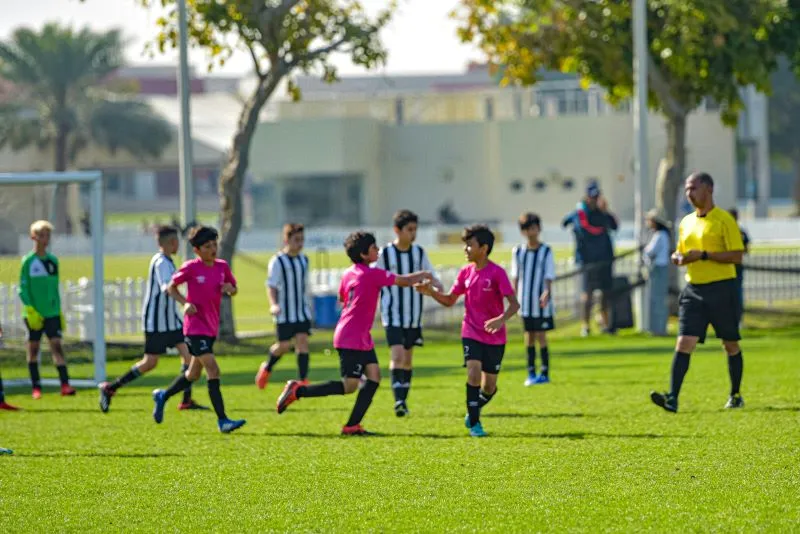
Sports, music, debate, visual arts, robotics, entrepreneurship clubs – the range of extracurricular options in well-resourced secondary schools is wide for good reason. Different activities develop different strengths. A student who struggles academically may find confidence through sport.
A student who is academically strong may discover emotional intelligence through theatre. The student council remains one of the most underutilized extracurriculars – it builds governance skills, school community, and genuine ownership over the school environment.
How to Choose the Right School Activities
Factors to Consider
Not every activity is right for every student. The most useful framework for choosing is to consider three dimensions:
- Interest alignment – Does the activity connect to something the student genuinely cares about, or at least is curious about?
- Skill stretch – Does it push the student just beyond their comfort zone without overwhelming them?
- Social fit – Is the group dynamic one where the student is likely to feel they belong?
Age is a factor, too. Primary students benefit most from activities that are exploratory and low-stakes. Secondary students are ready for more structured commitment – and often need the accountability that comes with it.
Role of Parents and Teachers
The adults in a student’s life shape participation more than most realize. A parent who dismisses an activity as “a waste of time” sends a message that echoes. A teacher who spots potential in a quiet student and invites them to try something new can change a trajectory.
Innovative teaching methods that promote independent learning share a common principle: when students are given agency, they invest. The most effective parents and teachers don’t prescribe activities – they create conditions where students feel supported to explore, and stay consistent enough to see the growth through.
Activities Are How Students Learn to Be People
The case for school activities is not sentimental. It’s practical. Students who participate in well-designed activities arrive at adulthood with skills, confidence, and self-knowledge that peers who only studied for exams often lack.
The advantages of fun school activities, leadership programs, and team challenges are cumulative. A child who learns to lose gracefully at seven has a tool for life. A teenager who has stood up in front of an audience has done something most adults never do. Prioritizing school activities alongside academic achievement isn’t a trade-off. It’s an investment in the whole student – and in the kind of adult they’re going to become.
Frequently Asked Questions
-
What are school activities?
School activities are structured programs or experiences organized by schools that engage students beyond traditional classroom lessons. They include both in-class and extracurricular experiences designed to make learning more interactive and practical.
- What are examples of school activities?
School activities can include a wide range of options such as sports, arts, academic clubs, field trips, community service, and after-school programs. These activities help students explore different interests and develop new skills.
- What is the difference between school activities and extracurricular activities?
School activities can take place during or outside class time, while extracurricular activities specifically happen outside the standard curriculum and are usually voluntary. Both aim to support student development, but extracurriculars are not part of formal lessons.
- Why are school activities important for students?
School activities help students build social skills, teamwork, creativity, and problem-solving abilities. They also improve engagement and make learning more effective by encouraging active participation rather than passive listening.
- What types of school activities exist?
There are several categories, including:
- Academic activities (clubs, competitions)
- Sports and physical activities
- Cultural and artistic activities
- Social and community service activities
These categories help students develop both academically and personally.