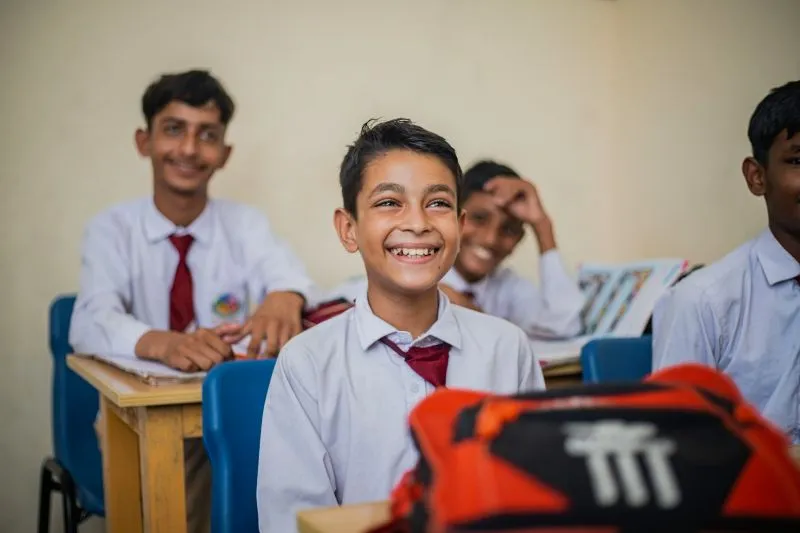
Abu Dhabi stands at a crossroads in education, balancing rich cultural heritage with ambitious plans for technological advancement and global competitiveness. As the emirate works toward becoming a knowledge-based economy, its education system faces both exciting opportunities and significant challenges. Understanding these dynamics helps educators, policymakers, and families prepare for the transformations ahead.
The Future of School Education in Abu Dhabi
Alignment with UAE Vision 2030
The UAE Vision 2030 places education at the center of national development. This strategic framework aims to transform the country into a diversified, knowledge-based economy less dependent on oil revenues. For Abu Dhabi’s schools, this means producing graduates equipped not just with academic knowledge but with critical thinking, creativity, and technological literacy.
The vision emphasizes developing Emirati talent while maintaining the emirate’s position as an international hub attracting global expertise. Education reforms align with broader economic goals, ensuring students gain skills needed in emerging sectors like artificial intelligence, renewable energy, space technology, and advanced manufacturing.
National and Local Education Reforms
Recent years have brought substantial reforms to Abu Dhabi’s education system. The Abu Dhabi Department of Education and Knowledge (ADEK) continuously updates curriculum standards, assessment methods, and school inspection frameworks. These changes reflect international best practices while respecting local values and Islamic principles.
The future of education in Abu Dhabi includes greater emphasis on bilingual proficiency, with Arabic and English both receiving attention. Schools increasingly offer programs incorporating STEM subjects earlier in students’ academic careers. Project-based learning, collaborative work, and real-world problem-solving supplement traditional lecture-based instruction.
Future Education Technology: A Key Driver of Change
Technology’s Role in Transforming Learning
Future education technology fundamentally changes how teaching and learning occur. Abu Dhabi schools adopt digital tools ranging from interactive whiteboards and tablets to sophisticated learning management systems. These technologies enable personalized learning paths, immediate feedback, and access to resources far beyond traditional textbooks.
The COVID-19 pandemic accelerated technology adoption dramatically. What began as emergency remote learning revealed possibilities for flexible, technology-enhanced education that continues shaping the future of education beyond the crisis. Schools now consider how to maintain beneficial technological innovations while returning to physical classrooms.
Digital Classrooms and Hybrid Learning Models
Modern Abu Dhabi classrooms look vastly different from those of even a decade ago. Digital resources complement physical materials, giving students access to interactive simulations, global collaboration platforms, and multimedia content that makes abstract concepts tangible. Teachers use data analytics to identify struggling students early and adjust instruction accordingly.
Hybrid learning models combining in-person and online elements offer flexibility that previous generations never experienced. Students might attend school physically while accessing supplementary materials online, participate in virtual exchanges with international peers, or complete certain coursework remotely. This flexibility particularly benefits students with special needs or those pursuing advanced studies not available at their physical schools.
Artificial Intelligence and Adaptive Learning Systems

AI-powered adaptive learning systems represent a significant development in future education technology. These platforms adjust difficulty, pacing, and content presentation based on individual student performance. When a student struggles with a concept, the system provides additional practice and alternative explanations. When they master material quickly, it advances them without waiting for the entire class.
Abu Dhabi schools pilot various AI tutoring systems that supplement teacher instruction. These tools offer immediate help when teachers are occupied with other students and provide practice opportunities outside school hours. However, they raise questions about data privacy, screen time, and ensuring technology enhances rather than replaces human interaction in education.
Best Education for the Future: Skills and Competencies for Tomorrow’s Leaders
Preparing Students for the Future Workforce
The best education for future success extends beyond traditional academic subjects. Abu Dhabi educators increasingly recognize that tomorrow’s workforce requires adaptability, digital literacy, emotional intelligence, and complex problem-solving abilities. Many jobs students will hold don’t yet exist, making flexible thinking and continuous learning more valuable than memorizing static information.
Schools incorporate entrepreneurship education, teaching students to identify opportunities, take calculated risks, and innovate. Financial literacy, environmental awareness, and global citizenship receive greater attention. These competencies prepare students not just for employment but for contributing meaningfully to society.
Emphasizing Lifelong Learning
The concept of completing education at age 22 and working with that knowledge for 40 years no longer reflects reality. The future of education in Abu Dhabi includes cultivating attitudes and skills for lifelong learning. Students learn how to learn—identifying reliable information sources, evaluating evidence, and adapting to new technologies and methodologies throughout their careers.
This shift affects how schools assess success. Rather than focusing solely on test scores measuring content retention, evaluation increasingly considers students’ ability to apply knowledge, work collaboratively, and develop solutions to novel problems. Portfolio assessments, project presentations, and real-world applications complement traditional exams.
Interdisciplinary Learning
Breaking down barriers between subjects prepares students for real-world challenges that don’t fit neatly into academic disciplines. The future of school education involves integrated approaches where students might use mathematics in art projects, apply scientific methods to social studies research, or combine coding with creative writing.
Abu Dhabi schools develop STEAM programs (Science, Technology, Engineering, Arts, Mathematics) that recognize creativity and innovation require both technical and humanistic thinking. Students work on projects requiring multiple perspectives and skill sets, mirroring how they’ll approach professional challenges later.
Opportunities in Abu Dhabi’s Education System

Access to Global Learning Networks
Abu Dhabi’s international character provides unique educational opportunities. Students in the emirate connect with peers worldwide through virtual exchanges, collaborative projects, and sister school relationships. This global perspective prepares them for international careers and cross-cultural collaboration.
The presence of international school curricula—British, American, IB, and others, alongside Arabic programs—gives families choices matching their goals and values. This diversity enriches the overall educational environment as different approaches share best practices and innovations.
Innovative School Models
Abu Dhabi welcomes experimental school models testing new approaches to education. Some schools adopt competency-based progression where students advance by demonstrating mastery rather than spending fixed time in grade levels. Others implement personalized learning plans, tailoring education to individual student interests and goals.
Specialized schools focusing on particular areas—science and technology, arts, sports—allow students passionate about specific fields to pursue them deeply while maintaining a broad education. These institutions often partner with universities and industry, giving students exposure to advanced concepts and real-world applications early.
Workforce Collaboration and Skill Development Programs
Partnerships between schools and businesses provide students with practical experience and mentorship. Internship programs, industry speaker series, and project collaborations expose students to career possibilities while developing professional skills. These connections help ensure education aligns with actual workforce needs rather than operating in isolation.
Abu Dhabi’s emphasis on developing key economic sectors creates opportunities for targeted education programs. Students interested in fields like sustainable energy, aerospace, or biotechnology can access specialized resources and expert guidance through school-industry partnerships.
Challenges Facing the Future of Education in Abu Dhabi
Balancing Tradition and Innovation
One significant challenge involves honoring Emirati cultural heritage and Islamic values while adopting global educational innovations. The future of education in Abu Dhabi must preserve important traditions and identity markers while preparing students for an interconnected, technologically advanced global society.
This tension appears in curriculum debates about content priorities, discussions about appropriate technology use, and questions about which international practices align with local values. Finding this balance requires ongoing dialogue among educators, families, religious leaders, and policymakers.
Digital Divide and Access to Technology
Despite Abu Dhabi’s wealth, ensuring all students have equal access to future education technology remains challenging. Some families lack reliable internet connections or adequate devices for online learning. Schools in different areas receive varying levels of technological infrastructure and support.
The future of education shouldn’t create or worsen inequalities where privileged students access cutting-edge tools while others fall behind. Addressing this requires sustained investment in infrastructure, device provision programs, and technical support reaching all communities equally.
Teacher Training and Adaptation
Perhaps the largest challenge involves preparing teachers for transformed educational approaches. Many educators trained in traditional methods now face classrooms where they facilitate rather than simply transmit knowledge, integrate complex technologies, and assess competencies rather than just content knowledge.
Professional development programs must help teachers develop new skills while valuing their experience and expertise. The transition challenges teachers personally as they adapt their practice and requires systemic support through training, mentoring, and adequate preparation time. Without addressing teacher needs, even well-designed educational innovations fail in implementation.
Additional challenges include:
- Managing rapid technological change and determining which innovations genuinely improve learning
- Ensuring educational reforms don’t create excessive pressure and stress for students
- Maintaining adequate funding for ambitious educational transformation
- Developing appropriate assessment methods to measure 21st-century skills
- Addressing mental health and wellbeing alongside academic achievement
Moving Forward
The future of education in Abu Dhabi holds tremendous promise alongside real challenges. The emirate’s commitment to educational excellence, substantial resources, and willingness to innovate position it well for developing world-class education systems. Success requires maintaining focus on student wellbeing and learning outcomes rather than adopting technology or reforms for their own sake.
Technology will continue driving change, but effective education always centers on relationships between teachers and students. The best education for future success combines technological tools with human guidance, global perspectives with local identity, and innovation with proven practices. Abu Dhabi’s education system must remain flexible, learning from both successes and setbacks as it develops.